 Pickleball Tayo
The short answer
How do you run a cooperative dink drill?
Start a cooperative dink drill with repeatable soft exchanges, add one direction, then introduce a simple decision. Use a short timed set and track pop-ups, direction errors, and readiness rather than only rally length.
Primary reference: USA Pickleball: Dink shots.
On this page
Fifteen focused minutes can give you more useful feedback than an hour of uncounted exchanges. This suggested session moves from cooperative contact to direction, then into a small decision game.
What does the visual lesson show?
Build a quiet rally.
Trade soft, controlled balls before adding pressure.
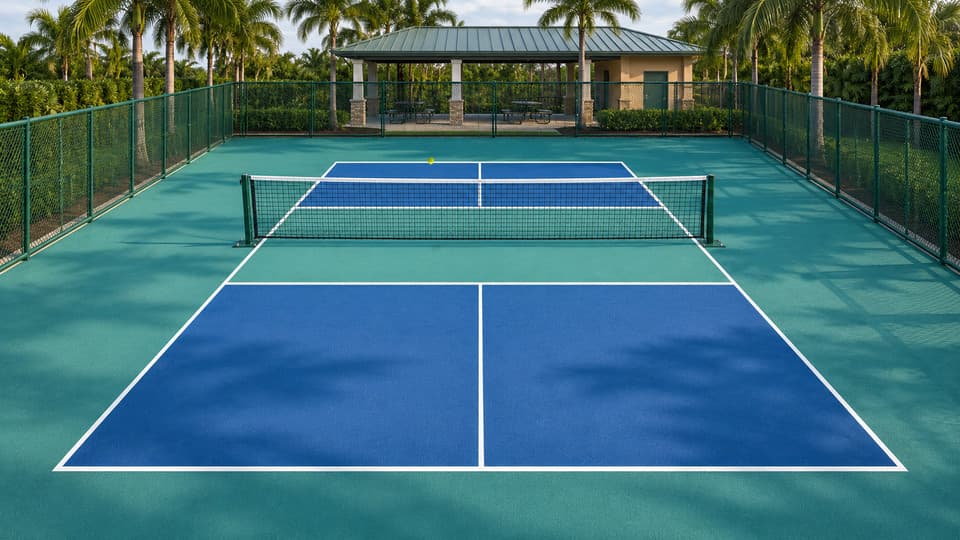
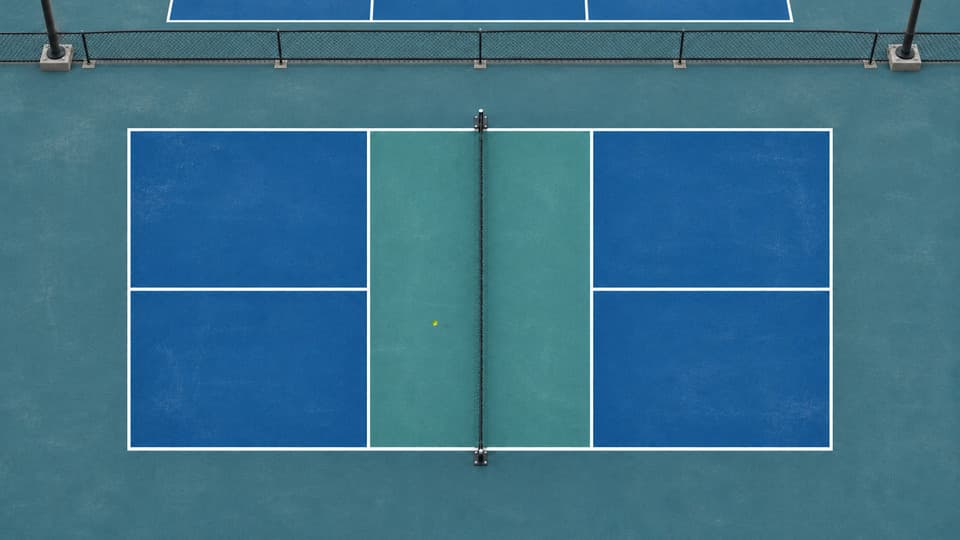
Generated illustration with authored motion. Ball flight is illustrative; the written lesson explains the decisions.
How should the first five minutes of a dink drill work?
Begin with easy dinks toward a broad area. Count the longest rally where both players remain comfortable. Reset the count after a miss without rushing the next start.
If you cannot keep a small rally going, bring the target closer to the middle and lower the feed difficulty. The first task is to collect useful contacts, rather than prove how sharply you can angle the ball.
When should you add a direction to dink practice?
Choose crosscourt or straight and keep the same direction for a short set. Use a flat visual marker outside the play area to identify the target band. Do not put raised objects where someone could step.
After several rallies, change direction. Notice whether the error changes: are you hitting the net, going wide, or leaving a high ball? Record a short note rather than guessing from memory later.
How can you add a decision without losing control?
Agree that the first few contacts stay cooperative, then allow a point to develop. Decide before starting what counts as a realistic attackable ball for your current level.
The aim is to connect soft control with the next decision. If every exchange ends in an immediate speed-up, return to the directional stage and make the feed more manageable.
What should you record during a dink drill?
Record the longest shared rally, the direction that felt less repeatable, and one cue for next time. A small, honest record is more useful than a claimed success rate based on an uncounted set.
Repeat the same conditions at a later session before comparing progress. A different ball, wind direction, partner, or feed pace can change the result. This plan is a practice suggestion, not a tested guarantee of improvement.
How can you apply this guide step by step?
How can both partners establish a repeatable exchange?
Begin with gentle middle targets and a shared rally count. The feed should let both players identify comfortable contact rather than creating an immediate scramble.
How can you add one controlled direction?
Choose straight or crosscourt for a short set. Keep target and pace similar enough that directional errors can be recognized without guessing.
When is the rally ready for a decision?
After several cooperative contacts, allow a point to develop under an agreed condition. Restore the easier task if every exchange ends before the planned learning happens.
A hypothetical worked example
How might this work in a session?
One partner tries to win every feed while the other is counting a shared rally. Both think the drill is failing, but the task was never agreed. Establish when cooperation ends and a point begins. In the first sets, feed a ball the partner can work with; later, add a clear directional constraint. The progression makes each miss easier to interpret because both players know what they were practicing.
What are common mistakes with a cooperative dink drill?
Partners play different games
Agree whether the set is cooperative, directional, or live before the first feed.
Count becomes the only goal
Check contact quality and attackable height, not only how long a generous partner keeps the ball alive.
Sharp angles destroy repetition
Use a broader lane and return to a manageable feed before adding difficulty.
What should you try during your next session?
Run three five-minute phases with a brief observation between them. Write one direction to revisit and one contact cue. The timer organizes attention; it does not validate a training dosage.
What to observe: Record longest comfortable rally and the common error in each phase. Compare similar conditions next time rather than treating every changed ball or partner as the same test.
Track a shared rally and the quality of the next contact. Do not turn every feed into a competition.
How long should you practise?
15:00
Ready when you are.
Silent timer. Keep the page open. Elapsed time is reconciled when a background tab resumes.
Check your understanding
Choose an answer to see the explanation.
What should you record after trying the task?
Name one observable condition, then count a small sample. These taps record your observations; they do not detect shots or assess a rating.
Define one condition before counting.
Entries stay in this page and reset on reload. Export a text file to keep them.
What else should you know about a cooperative dink drill?
Should this drill always be crosscourt?
No. Practise straight and crosscourt patterns, then compare which needs more work.
Is the longest rally an official skill rating?
No. It is a session measure under your chosen conditions.
Which sources support this guide?
- USA Pickleball: Dink shots
Technique background on soft placement and kitchen-line decisions.
How was this guide prepared?
Prepared with AI assistance for human editorial review. No named coach has reviewed this draft. Examples and practice tasks are editorial explanations; no first-hand coaching or product testing is claimed.
Sources checked: . For organized play, check the current rulebook and event format. This date records source checking, not coach approval.