 Pickleball Tayo
The short answer
What is a dink in pickleball?
A dink is a soft pickleball shot intended to land near the net in the opponent's kitchen. Use controlled contact and a broad target to make their next ball harder to attack.
Primary reference: USA Pickleball: Dink shots.
On this page
A dink is a soft shot played near the kitchen that lands near the net on the other end. It asks your opponent to play a low ball. A useful dink is controlled enough to keep the exchange manageable while you look for a better opportunity.
What does the visual lesson show?
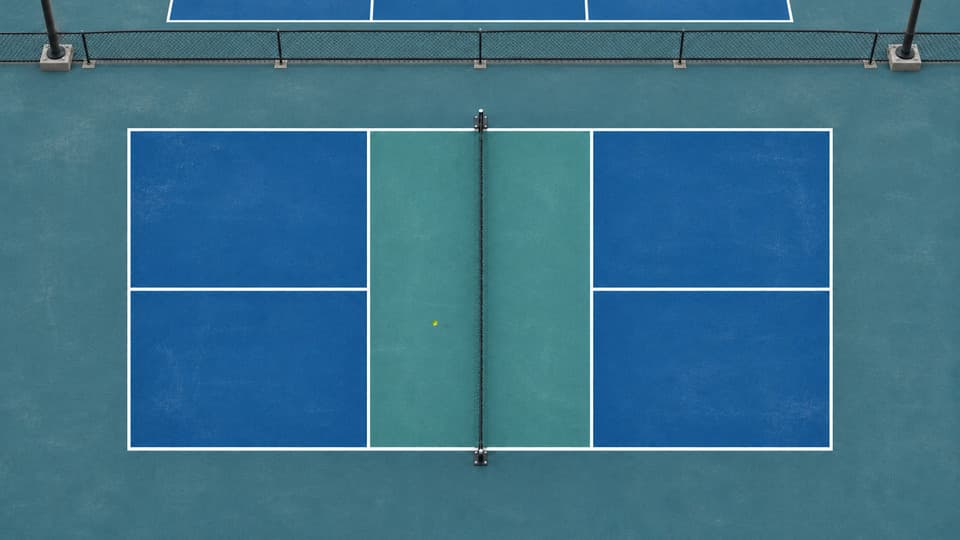
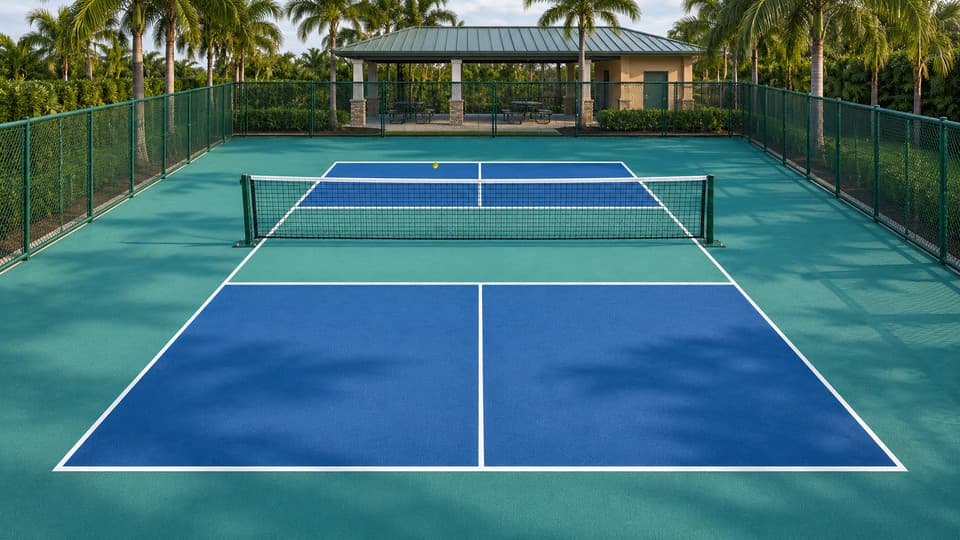
This is the dink.
A soft flight. A short landing. Time to stay patient.
Generated illustration with authored motion. Ball flight is illustrative; the written lesson explains the decisions.
How should you move to a dink contact?
Move into a comfortable distance from the bounce. Keep the paddle available in front so you do not need a large recovery swing. A rushed reach often sends the paddle face upward and the ball higher than intended.
Try saying “move, settle, lift” during a cooperative exchange. The words are a practice cue rather than a fixed rhythm for a match. Your aim is to recognize when you are hitting from balance.
How can a small swing control dink placement?
Start with a generous target across the net. Let the paddle guide the ball instead of snapping at it. Leave enough clearance that you are not trying to skim the tape on every attempt.
A crosscourt dink offers distance to work with, while a straight dink changes the angle and the next response. Learn both. Crosscourt is a useful starting exercise, rather than a rule that every dink must follow.
Why does a dink pop up?
If the ball rises comfortably into an opponent’s attack zone, look at contact height, paddle face, and swing size. Change one variable for a short set. Tightening your grip after every miss can make the next contact less predictable.
If you keep hitting the net, test a little more clearance before adding pace. A low shot that never reaches the opponent has not achieved the purpose of the dink.
How should beginners practise cooperative dinks?
Count a shared rally, with both partners aiming to keep the ball playable. Then add a directional target. Finally, allow a point to start after several soft exchanges so you can connect control to shot selection.
Treat a successful practice rally as information about repeatability. It does not prove the same ball will work against a player who reaches in, volleys early, or changes direction. Learn to read those responses next.
How can you apply this guide step by step?
How can you arrive at a comfortable bounce?
Use adjustment steps and keep the contact in front. Reaching from a fixed position often changes the paddle face and sends an unintended higher ball.
How can you guide a soft dink flight?
Use a compact action toward a broad short target. Practise straight and crosscourt options without treating either direction as a mandatory rule.
What does the opponent's next contact tell you?
Notice whether the opponent must lift, can volley comfortably, or can attack downward. That response gives context to where your dink landed.
A hypothetical worked example
How might this work in a session?
Your dinks land in the kitchen, yet the opponent keeps reaching in to attack them before the bounce. The landing target did not force a groundstroke. Watch contact height and reach instead. A slightly different depth or lower manageable flight may ask a harder question. Keep enough net clearance for your own control; deliberately netting more balls is not a useful cure for every pop-up.
What are common mistakes with the pickleball dink?
High but in the target
Watch whether the opponent can volley early; a kitchen landing does not guarantee a low contact.
Repeated net errors
Test more clearance at the same pace before changing direction, grip, and swing together.
Wide under pressure
Simplify the target and restore balance before attempting a sharp angle from a reach.
What should you try during your next session?
Play three short sets: cooperative middle, cooperative crosscourt, and a directional change. After each, name the most common error and choose only one adjustment for the next set.
What to observe: Record the longest comfortable rally and the number of easy attackable replies. A long rally obtained only because the partner refuses to attack is useful cooperation, not proof of match effectiveness.
Think of the opponent’s next contact: can they strike down comfortably, or must they lift the ball?
Check your understanding
Choose an answer to see the explanation.
What should you record after trying the task?
Name one observable condition, then count a small sample. These taps record your observations; they do not detect shots or assess a rating.
Define one condition before counting.
Entries stay in this page and reset on reload. Export a text file to keep them.
What else should you know about the pickleball dink?
Can a dink be volleyed?
An opponent outside the kitchen may take it before the bounce if they can reach it legally. Landing in the kitchen does not force a bounce.
Should all dinks go crosscourt?
No. Practise crosscourt and straight options, then choose based on balance and the opening.
Which sources support this guide?
- USA Pickleball: Dink shots
Technique background on soft placement and kitchen-line decisions.
How was this guide prepared?
Prepared with AI assistance for human editorial review. No named coach has reviewed this draft. Examples and practice tasks are editorial explanations; no first-hand coaching or product testing is claimed.
Sources checked: . For organized play, check the current rulebook and event format. This date records source checking, not coach approval.