 Pickleball Tayo
The short answer
What is a block volley in pickleball?
A block volley uses a compact, stable paddle response to manage incoming pace without a large added swing. Keep the kitchen restrictions in mind and assess the height and quality of the next reply.
Primary reference: USA Pickleball: Defensive and offensive volleys.
On this page
When a fast ball arrives, a large swing can add more speed than you can manage. A block volley uses a smaller response to redirect incoming pace and keep the next ball playable.
What does the visual lesson show?
Let the block take pace away.
A compact reply can turn a fast ball into a softer one.
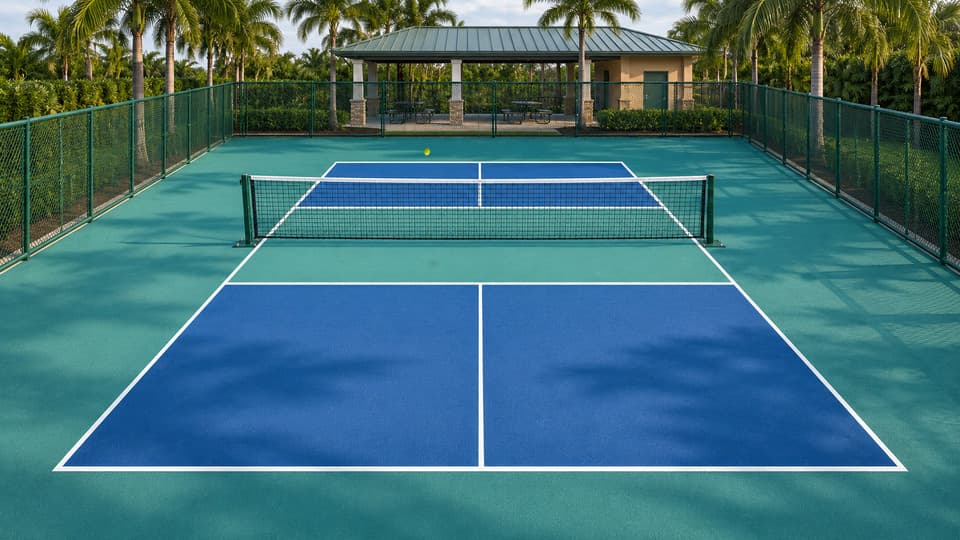
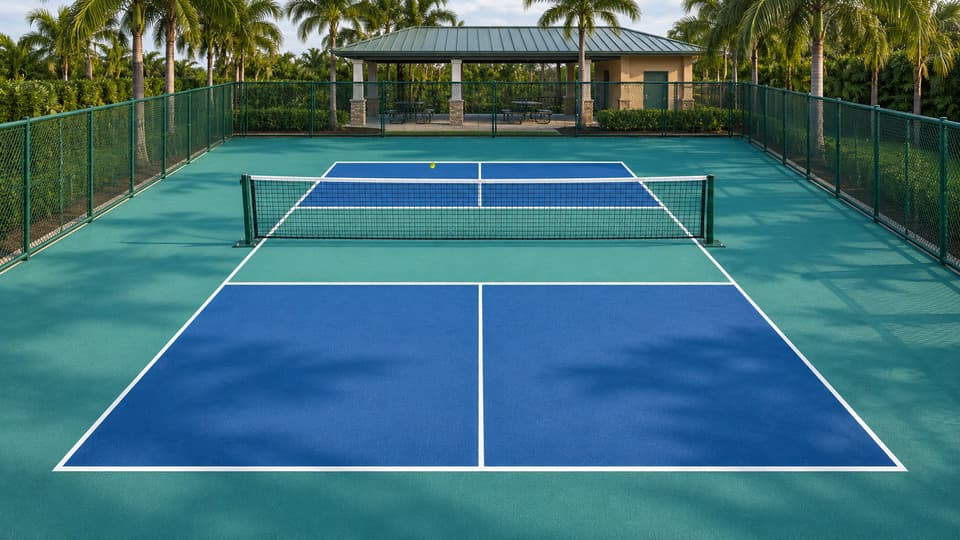
Generated illustration with authored motion. Ball flight is illustrative; the written lesson explains the decisions.
When does a fast ball call for a block volley?
If the incoming ball is fast, low, or crowding you, start by creating a stable paddle presentation. A block is a response to the situation, not an instruction never to move the paddle. Keep the contact manageable before trying to place the ball into a tiny kitchen target.
How can you reduce unnecessary paddle acceleration?
Use moderate cooperative feeds to compare a short block with a full punch. Notice which returns a ball you can prepare for. Grip tension, paddle face, and balance all influence the reply. Change one of them at a time instead of forcing the hand completely loose and hoping pace disappears.
How do kitchen restrictions affect a block volley?
A volley must comply with the non-volley-zone rules, including momentum. Give yourself room to finish in balance. Leaning into a hard block and stepping onto the line afterward still matters even if your ball was a winner. Practise the finish as deliberately as the contact.
How should a partner increase feeding pressure?
Begin with feeds toward a comfortable contact area and a broad return target. Add modest variation only when the contact is repeatable. If both partners lose control, lower the pace. The point of the exercise is reading and managing pressure, not proving that a beginner can survive the hardest possible drive.
How can you apply this guide step by step?
How can you recognize the incoming pace?
Identify whether you have time and height to attack. A low fast contact near the body often calls for a smaller response before a directional ambition.
How can you present a stable paddle face?
Use a compact action and adjust one variable at a time. Incoming pace already provides energy; a large additional swing may reduce control.
What should you prepare for after the block?
Watch where the ball sits for the opponent and keep your finish balanced outside the kitchen. A soft return can still require another defensive contact.
A hypothetical worked example
How might this work in a session?
A fast drive arrives near the body. A long punch adds pace and sends the return high; a smaller stable response produces a ball the pair can handle. Begin with moderate feeds so the comparison is visible. Keep the kitchen line and finish in view too: defensive intention does not cancel a volley momentum fault or replace the need to be ready again.
What are common mistakes with the pickleball block volley?
Full swing against fast feed
Reduce the preparation and compare how manageable the next reply becomes.
Completely loose hand loses control
Make gradual grip and face adjustments instead of treating zero tension as the goal.
Forward finish crosses line
Practise balance with a partner watching the kitchen boundary and momentum.
What should you try during your next session?
Compare five compact blocks with five controlled attacking volleys from suitable feeds. Let the feeder report reply height, then play one next ball to test recovery.
What to observe: Measure available opponent contact and your preparedness, not only whether the first return crossed the net. The useful distinction is defensive versus attacking purpose.
Prepare the paddle early, limit the swing, and assess where the opponent can contact next.
Check your understanding
Choose an answer to see the explanation.
What should you record after trying the task?
Name one observable condition, then count a small sample. These taps record your observations; they do not detect shots or assess a rating.
Define one condition before counting.
Entries stay in this page and reset on reload. Export a text file to keep them.
What else should you know about the pickleball block volley?
When should you use a block volley?
Use a block when an incoming attack calls for control rather than a bigger swing. A compact response can absorb pace and return a softer ball while you regain a balanced position.
Can you block a volley while standing in the kitchen?
No. A block made before the bounce is still a volley. Non-volley-zone contact and momentum restrictions apply regardless of how small the paddle movement is.
Which sources support this guide?
- USA Pickleball: Defensive and offensive volleys
Technique background for defensive blocks and offensive volley choices.
- USA Pickleball: Level three skills
General stroke, control, and positioning resources; not an assessment of a reader’s rating.
How was this guide prepared?
Prepared with AI assistance for human editorial review. No named coach has reviewed this draft. Examples and practice tasks are editorial explanations; no first-hand coaching or product testing is claimed.
Sources checked: . For organized play, check the current rulebook and event format. This date records source checking, not coach approval.