 Pickleball Tayo
The short answer
What is a punch volley in pickleball?
A punch volley applies controlled pressure with a short forward action on a suitable ball. Choose a balanced contact, finish legally outside the kitchen, and recover for a possible counter rather than expecting a winner.
Primary reference: USA Pickleball: Defensive and offensive volleys.
On this page
A punch volley adds controlled pace from a compact action. It is most useful when contact height and balance let you pressure the other team without throwing away your own ready position.
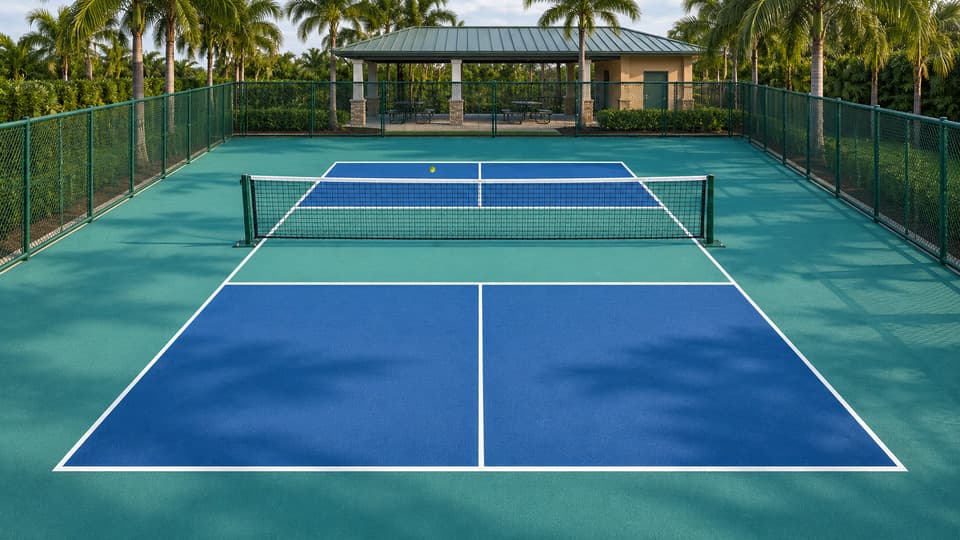
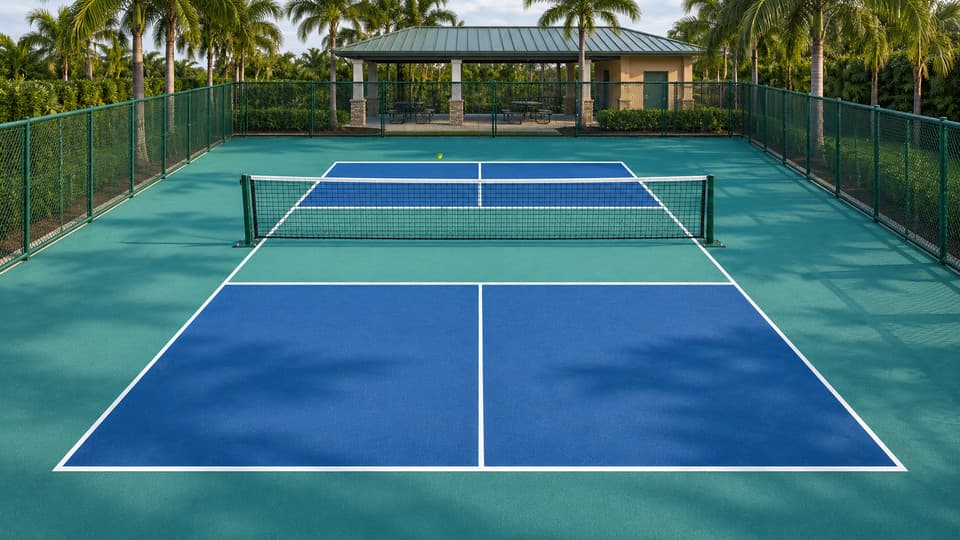
What does the visual lesson show?
Give the volley a firm direction.
A compact reply with purpose and room inside the lines.
Generated illustration with authored motion. Ball flight is illustrative; the written lesson explains the decisions.
Which incoming ball is suitable for a punch volley?
A comfortable ball in front gives more options than one arriving below net height while you are reaching. Read that difference before deciding to punch. A hard volley is not automatically an attacking volley if it gives the opponent an easier next contact.
How can you keep the punch-volley action compact?
Use a small preparation and a controlled forward action. Aim toward a broad open lane or a difficult contact area with margin. The objective is useful pressure, not the largest sound. If the paddle finishes far behind your ready position, shorten the action and test the next-ball recovery.
How should you finish without a kitchen fault?
Check your starting feet and the momentum created by contact. An aggressive intention does not change the kitchen rule. A small balanced finish can protect both legality and recovery. Practise with someone watching the line so you do not need to look down while striking.
How can the next reply help you assess the punch volley?
Ask a partner to alternate a suitable higher feed and a lower defensive one. Choose punch or block before contact. Then play one live reply to see whether the decision helped. Keep the initial pace manageable so recognition, rather than a frantic reaction, leads the exercise.
How can you apply this guide step by step?
How can you recognize an attacking opportunity?
Look for a comfortable higher contact with balance. A low reach gives different options even if you are standing near the kitchen.
How can you add controlled pressure?
Use a short action toward a broad useful lane. Keep enough margin to make the shot repeatable instead of demanding a corner winner.
How should you finish ready for a counter?
Remain balanced outside the kitchen and return the paddle to availability. Watch for a counter rather than assuming an attacking intention ended the rally.
A hypothetical worked example
How might this work in a session?
An easy higher ball appears near the net, but the player uses a large finish and cannot prepare for the counter. A shorter punch produces less spectacle and a better next position. On the next low feed, the same punch floats. The task is not to use one compact attack everywhere; it is to recognize the ball that supports it and recover after choosing it.
What are common mistakes with the pickleball punch volley?
Attack every low ball
Mix feeds and identify which ones support a punch versus a block.
Finish too large
Shorten the motion and test recovery with a cooperative next reply.
Noise mistaken for effectiveness
Compare useful pressure and next-contact readiness across the whole set.
What should you try during your next session?
Have a feeder alternate comfortable higher and lower balls. Call punch or block early, strike at manageable pace, and continue with one live reply.
What to observe: Record decision fit, in balls, and recovered readiness. A lower-speed punch can be useful even when it does not finish the point immediately.
Attack a suitable ball with a short action, then stay available for the counter.
Check your understanding
Choose an answer to see the explanation.
What should you record after trying the task?
Name one observable condition, then count a small sample. These taps record your observations; they do not detect shots or assess a rating.
Define one condition before counting.
Entries stay in this page and reset on reload. Export a text file to keep them.
What else should you know about the pickleball punch volley?
How is a punch volley different from a block volley?
A punch adds a short, purposeful forward action; a block mainly manages incoming pace. Choose according to the height of contact and your balance rather than treating every volley as an attacking opportunity.
Should you take a full backswing for a punch volley?
Use a compact preparation in controlled practice. An oversized swing can make direction and recovery harder to manage, especially when the incoming ball gives you little time.
Which sources support this guide?
- USA Pickleball: Defensive and offensive volleys
Technique background for defensive blocks and offensive volley choices.
How was this guide prepared?
Prepared with AI assistance for human editorial review. No named coach has reviewed this draft. Examples and practice tasks are editorial explanations; no first-hand coaching or product testing is claimed.
Sources checked: . For organized play, check the current rulebook and event format. This date records source checking, not coach approval.