 Pickleball Tayo
The short answer
How do you start a small community pickleball league?
Start a community pickleball league with a manageable season, confirmed recurring courts, and an explainable match format. Publish attendance, substitution, and reporting rules before collecting commitments, then review participation after a short first cycle.
Primary reference: USA Pickleball: Educator and program resources.
On this page
A league is a recurring promise about time, access, and format. Before building a complex standings system, confirm that the courts, participants, and volunteers can support the schedule.
What does the visual lesson show?
Build a league people return to.
Start with clear expectations and a welcoming group.
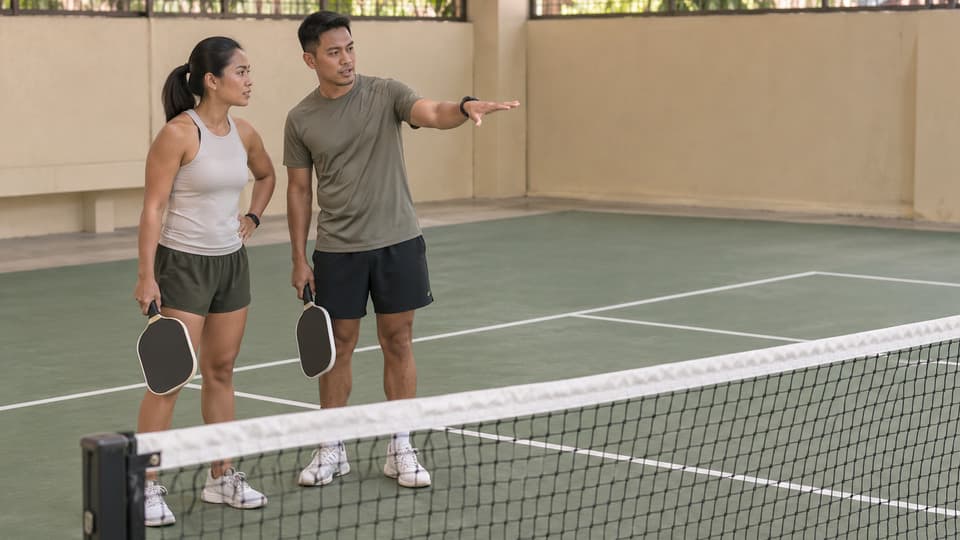
Generated illustration with authored motion. Ball flight is illustrative; the written lesson explains the decisions.
Who should your community league serve?
State the intended level, team arrangement, and participation goal. A beginner development league and a competitive ladder solve different needs. Ask likely participants about availability before selecting times, and confirm court access for the whole proposed season rather than only the opening day.
How can you keep the league match format clear?
Publish scoring, match counts, standings, tie-breaks, and how results are recorded. If you use a rating service, explain the actual requirement and consent process. Do not promise official rankings or federation affiliation unless the relationship has been verified.
How should you plan for absences and substitutes?
Define late arrivals, no-shows, substitute eligibility, and postponed matches. Decide who can approve a change. A written rule used consistently is easier to accept than a new exception that appears after a favorite team misses a round.
What should you review after the first league cycle?
Start with a season length the group can sustain. Ask about waiting time, match balance, and communication before expanding. Publish any next-season changes before registration. This planning guide does not announce a real league or accept participants; it helps you define the actual offer.
How can you apply this guide step by step?
How can you define a manageable season?
Confirm the audience, recurring courts, fixed or rotating teams, and realistic duration. A development league and a competitive ladder need different participation expectations.
Which operating rules should you publish?
Explain scoring, standings, substitutions, no-shows, and results reporting before the first round. Verify any claimed rating-service or federation relationship.
How should you review the completed cycle?
Use actual attendance, waiting, and match completion to refine the next season. Publish changes before the next registration rather than altering commitments midstream.
A hypothetical worked example
How might this work in a session?
A club announces an eight-week league after confirming only the opening court slot. When later bookings fail, standings and attendance become difficult to manage. Verify recurring access before the promise, then select a season the volunteers can support. Define absences and substitutes while nobody has a disputed result. Predictable procedures give players a clearer commitment than an ambitious poster alone.
What are common mistakes with a community pickleball league?
Recurring access assumed
Confirm the full proposed schedule rather than only the launch day.
Substitute rule invented after dispute
Set eligibility and approval responsibility in advance.
Official status implied without evidence
Verify and describe the actual relationship or omit the claim.
What should you try during your next session?
Draft a one-page season offer with schedule, format, attendance procedure, and contact. Ask a potential participant to identify every commitment without an extra explanation.
What to observe: Track completed matches, absences, waiting, and volunteer workload. Expand only when those actual observations support a larger offer.
Choose a manageable season with clear attendance and substitution rules before collecting commitments.
Check your understanding
Choose an answer to see the explanation.
What should you record after trying the task?
Name one observable condition, then count a small sample. These taps record your observations; they do not detect shots or assess a rating.
Define one condition before counting.
Entries stay in this page and reset on reload. Export a text file to keep them.
What else should you know about a community pickleball league?
What should be decided before starting a community pickleball league?
Agree on the player group, format, court access, scoring, schedule, conduct, and reporting process. Confirm the organizer and how schedule changes or disputes will be handled before inviting registrations.
Does this guide provide a live league registration?
No. It is an organizing guide rather than an event listing. Dates, prices, court availability, and registration details must come from the actual organizer’s current announcement.
Which sources support this guide?
- USA Pickleball: Educator and program resources
Program and educator resources; the local worksheets are original planning examples.
- Philippine Pickleball Federation: Clubs, courts and calendar
Philippine club, court, and calendar discovery; confirm availability with the actual organizer.
How was this guide prepared?
Prepared with AI assistance for human editorial review. No named coach has reviewed this draft. Examples and practice tasks are editorial explanations; no first-hand coaching or product testing is claimed.
Sources checked: . For organized play, check the current rulebook and event format. This date records source checking, not coach approval.