 Pickleball Tayo
The short answer
When should you hit a drive in pickleball?
A pickleball drive uses a faster, flatter flight toward a controlled target. Choose it when contact height and balance support the shot, then stay ready for the opponent's block or counter.
Primary reference: USA Pickleball: Third-shot drop vs. drive.
On this page
A drive adds pace to put pressure on the other side. It works best as a decision with a purpose: challenge a comfortable hitter, create a weaker reply, or exploit an opening. Swinging harder at every low ball does not create that purpose.
What does the visual lesson show?
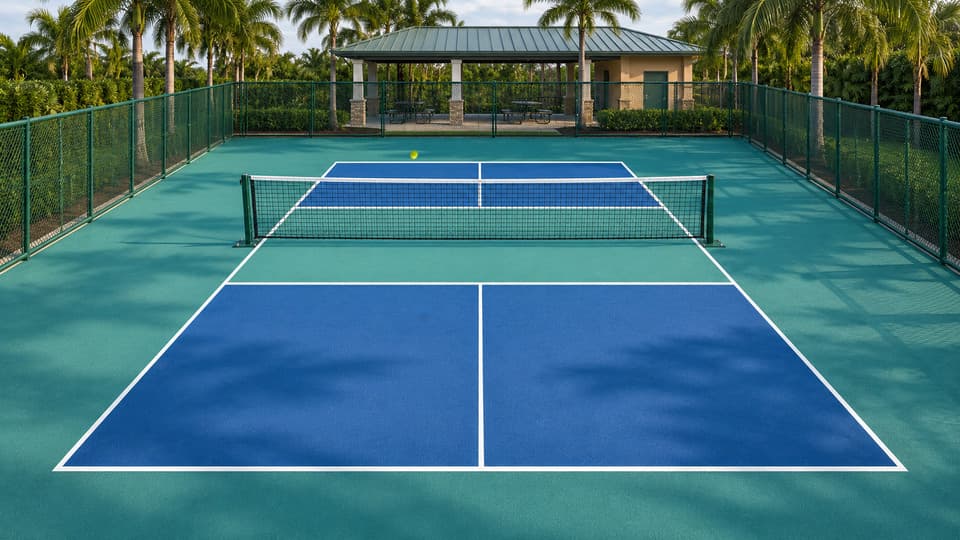
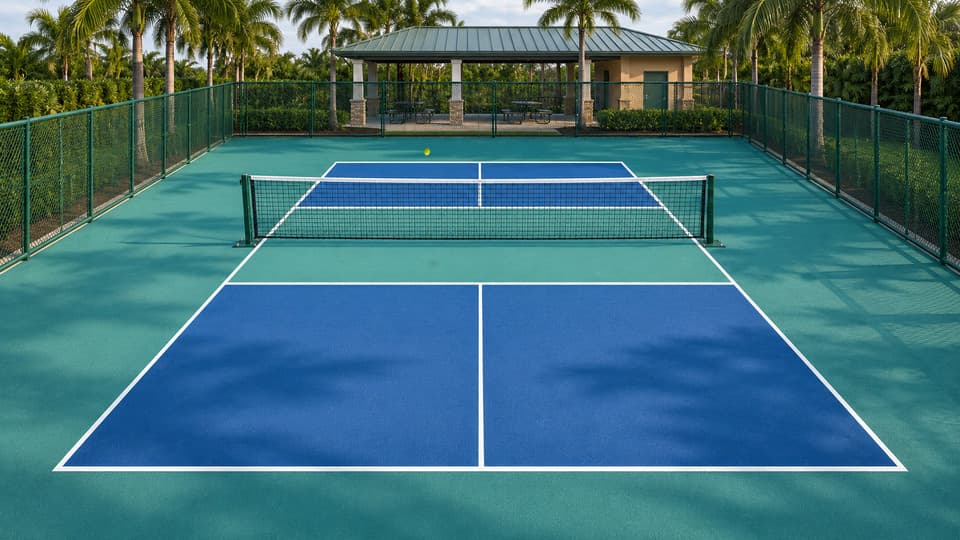
This is the drive.
A lower, quicker flight with room inside the baseline.
Generated illustration with authored motion. Ball flight is illustrative; the written lesson explains the decisions.
Which contact height and balance support a drive?
A short return that sits up gives you more options than a deep ball arriving low at your feet. Set your feet well enough to make a controlled contact. If you are late and reaching, a smaller defensive response may be more realistic.
The animated ball shows a quicker flight toward a deeper target. It is not a prediction of the ball’s speed or spin. On court, identify the ball you can actually strike rather than trying to reproduce an illustrative flight exactly.
Where should you aim a controlled pickleball drive?
Start with a broad lane through the middle or toward a reachable weakness. A sideline winner looks impressive, but a tiny target leaves little room for timing errors.
Watch how the opponent handles the pace. Some players block a predictable drive comfortably. Others struggle more with a low, well-placed ball than a faster ball into their prepared paddle.
How should you prepare for the reply to a drive?
A third-shot drive can produce a shorter reply that gives you an easier next drop. It can also come back fast and deep. Prepare for either result rather than committing your movement before reading the contact.
Keep your paddle available after finishing. A large follow-through that leaves you turning away from the ball can erase the advantage of a solid drive.
How can you compare drives without changing everything?
Feed ten similar balls and compare a moderate drive with a harder one. Count balls that stay in and replies you can handle. Avoid judging the set from the fastest winner.
Then mix in low feeds where a drive is less comfortable. Call your choice aloud before contact. This practice tests recognition as well as mechanics, which is closer to the problem you face during a rally.
How can you apply this guide step by step?
Are your contact height and balance suitable?
A comfortable contact gives more controlled attacking options. Identify when the ball is low, behind you, or forcing a reach before committing to pace.
How can you drive through a broad target lane?
Choose enough margin inside the boundaries to preserve repeatability. The intended pressure matters more than making every attempt the fastest ball of the session.
What should you prepare to play next?
Recover the paddle and watch the block. A shorter reply may suit a drop; a firm deep block may ask for another defensive decision.
A hypothetical worked example
How might this work in a session?
A higher short return lets you set for a drive. The opponent blocks it shorter, giving your pair a more comfortable fifth shot. On the next rally, a deep low return tempts the same swing, but you strike while reaching and lose control. The difference began with the incoming ball. Keep the favorite shot available without letting it choose itself before the bounce.
What are common mistakes with the pickleball drive?
Fast winners hide many misses
Count the entire set, including errors, and compare controllable pace before adding more.
Block returns faster than expected
Shorten the finish and restore readiness; the drive has not ended the rally automatically.
Low deep ball driven wildly
Recognize the changed contact and consider a softer response instead of forcing the previous pattern.
What should you try during your next session?
Have a feeder mix a comfortable higher ball with a deeper low one. Call drive or a softer option before contact, then play one reply. Discuss whether the choice matched the feed.
What to observe: Measure in balls, useful replies, and readiness after the strike. One winner does not establish that maximum pace is the best choice for the whole set.
Choose a drive you can control, then stay ready for the block that comes back.
Check your understanding
Choose an answer to see the explanation.
What should you record after trying the task?
Name one observable condition, then count a small sample. These taps record your observations; they do not detect shots or assess a rating.
Define one condition before counting.
Entries stay in this page and reset on reload. Export a text file to keep them.
What else should you know about the pickleball drive?
Is a third-shot drive a mistake?
Not automatically. It can be a useful setup when the return and your position support it.
Should I use my hardest swing?
Use pace you can place and recover from. Judge the next reply as well as the initial shot.
Which sources support this guide?
- USA Pickleball: Third-shot drop vs. drive
Technique background for choosing between a drive and a soft drop.
How was this guide prepared?
Prepared with AI assistance for human editorial review. No named coach has reviewed this draft. Examples and practice tasks are editorial explanations; no first-hand coaching or product testing is claimed.
Sources checked: . For organized play, check the current rulebook and event format. This date records source checking, not coach approval.