 Pickleball Tayo
The short answer
How do you hit a pickleball drop serve?
For a pickleball drop serve, release the ball naturally, allow it to bounce, and strike it toward the correct diagonal service court. Build a repeatable bounce and legal placement before adding pace.
Primary reference: 2026 USA Pickleball Official Rulebook.
On this page
A natural drop and bounce can make serving feel less rushed. The method has its own release requirements, so learn it as a separate sequence rather than copying pieces of a volley serve.
What does the visual lesson show?
Bounce first. Then serve.
Watch the dropped ball rebound before the forward flight.
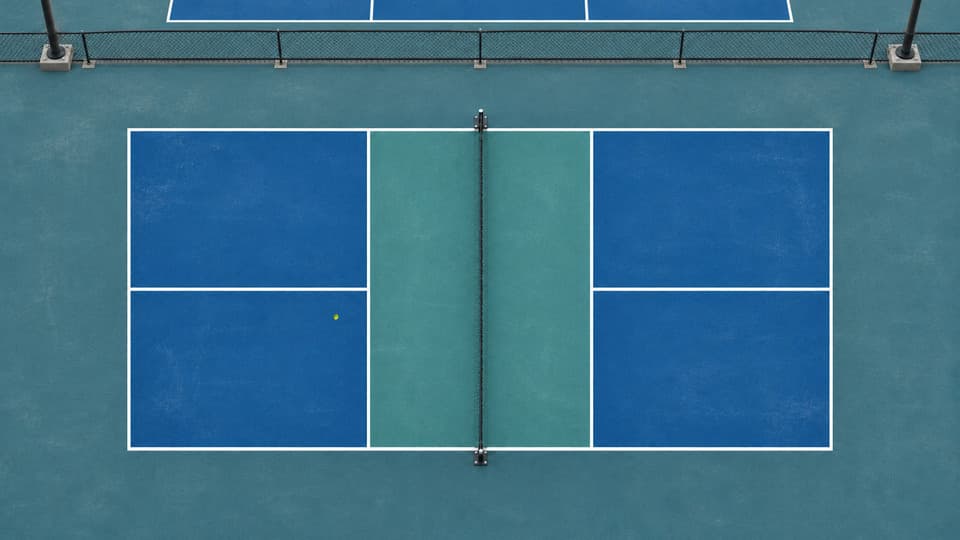
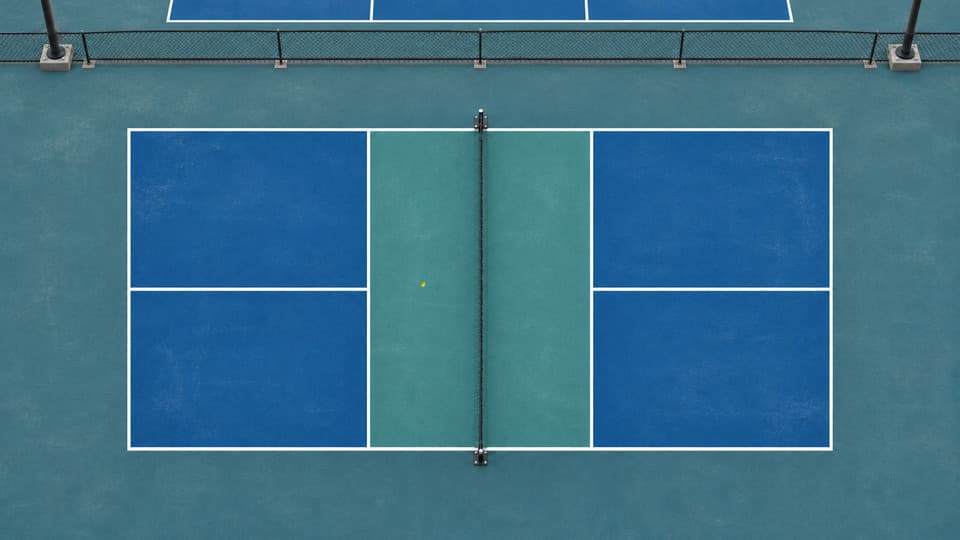
Generated illustration with authored motion. Ball flight is illustrative; the written lesson explains the decisions.
How should you release the ball for a drop serve?
Release from a natural, unaided height without propelling the ball. Let the bounce happen before contact. Use a comfortable release location that does not make you chase the ball. Check that the receiver can see the release and that your setup allows the applicable foot position at the strike.
Which serve rules should you distinguish before practising?
The volley serve’s upward-arc, paddle-head, and waist contact restrictions do not govern the drop serve in the same way. The current rulebook distinguishes them. That distinction does not remove placement or foot requirements. For a disputed serve, use the full current provisions rather than a brief demonstration.
How can you make the drop-serve bounce repeatable?
On a permitted practice court, make several natural drops without striking. Notice which release position puts the bounce where you can contact comfortably. Then add a gentle stroke toward a large target. If the ball repeatedly runs away from you, fix the release before increasing swing speed.
How should you prepare for the return after serving?
Finish each practice serve in a position ready for a deep return that must bounce. A comfortable drop serve is only the start of the rally. Add a partner’s return after a short accuracy set so you learn whether the full sequence remains calm under ordinary match timing.
How can you apply this guide step by step?
How can you make a natural release?
Let the ball fall from a comfortable unaided height without propelling it. Make the release visible and avoid adding a throwing action to create the bounce.
When should you contact the bounced ball?
Allow the bounce, then meet the ball from a balanced setup. If the contact feels rushed, adjust release location before increasing swing speed.
How can you combine placement with recovery?
Send it diagonally to the correct court beyond the kitchen. Finish with room for the return to bounce and a paddle ready for the next contact.
A hypothetical worked example
How might this work in a session?
A player throws the ball down to get a predictable high bounce and calls the result a drop serve. The repeated bounce may feel comfortable, but the release is not the natural unforced drop required by this method. Remove the stroke first and rehearse the release alone. Then restore the contact and diagonal target. Keep foot and placement checks in the sequence instead of assuming the bounce makes every serve legal.
What are common mistakes with the pickleball drop serve?
Thrown-down release
Remove the stroke and practise a genuinely natural release before rebuilding the serve.
Bounce runs away
Check release location and starting balance instead of chasing it with a faster swing.
Shared foot rules ignored
Keep release, feet, placement, and recovery as separate checkpoints for the complete action.
What should you try during your next session?
Make five natural drops without striking, then five gentle serves from the same comfortable setup. Add a return only when release and contact feel repeatable.
What to observe: Record legal in serves and comfortable contacts separately. A pleasing bounce does not establish compliance with every serving requirement or readiness for the next ball.
Drop naturally, allow the bounce, and send the ball diagonally to the correct court.
Check your understanding
Choose an answer to see the explanation.
What should you record after trying the task?
Name one observable condition, then count a small sample. These taps record your observations; they do not detect shots or assess a rating.
Define one condition before counting.
Entries stay in this page and reset on reload. Export a text file to keep them.
What else should you know about the pickleball drop serve?
Do volley-serve swing restrictions apply to a drop serve?
The volley-serve requirements for an upward arm motion, contact height, and paddle-head position do not apply to a legal drop serve. The release, bounce, foot position, and diagonal service target still have requirements.
Can you throw a drop-serve ball downward to get a higher bounce?
No. Release the ball without propelling it downward or upward, then strike after the bounce. Review the current rulebook for permitted release methods and other service requirements.
Which sources support this guide?
- 2026 USA Pickleball Official Rulebook
Primary reference for standard-play rules and event-rule exceptions.
- USA Pickleball: Serve tips
Service technique background; use the rulebook for legal-contact requirements.
How was this guide prepared?
Prepared with AI assistance for human editorial review. No named coach has reviewed this draft. Examples and practice tasks are editorial explanations; no first-hand coaching or product testing is claimed.
Sources checked: . For organized play, check the current rulebook and event format. This date records source checking, not coach approval.