 Pickleball Tayo
The short answer
How do you choose the right pickleball shot?
Choose a pickleball shot by assessing your balance, contact height, available space, and the opponent's next contact. Use a controlled attacking option when suitable and a softer defensive reply when under pressure.
Primary reference: USA Pickleball: Third-shot drop vs. drive.
On this page
A favorite shot can become a habit that ignores the incoming ball. Better shot selection begins a moment earlier: notice where you are, what height you can contact, and how much time the opponents have.
What does the visual lesson show?
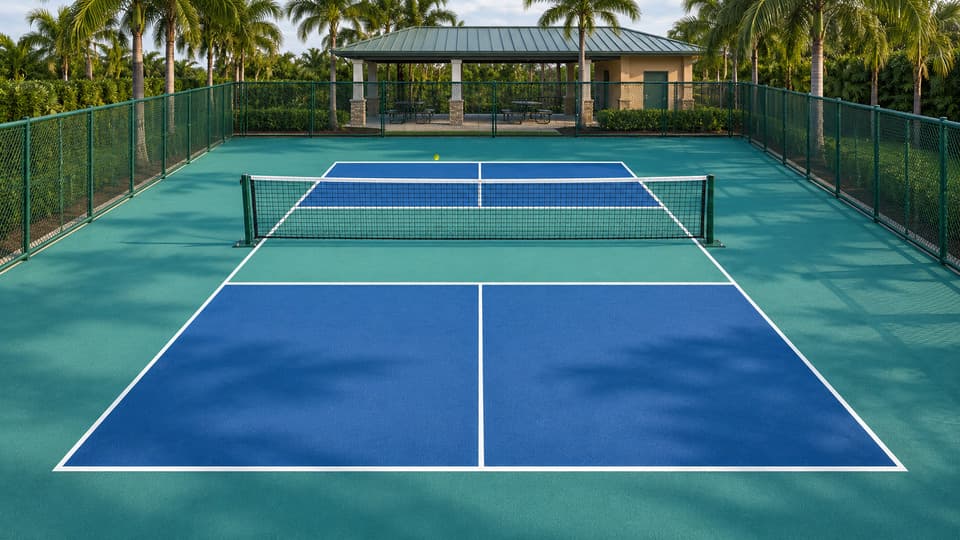
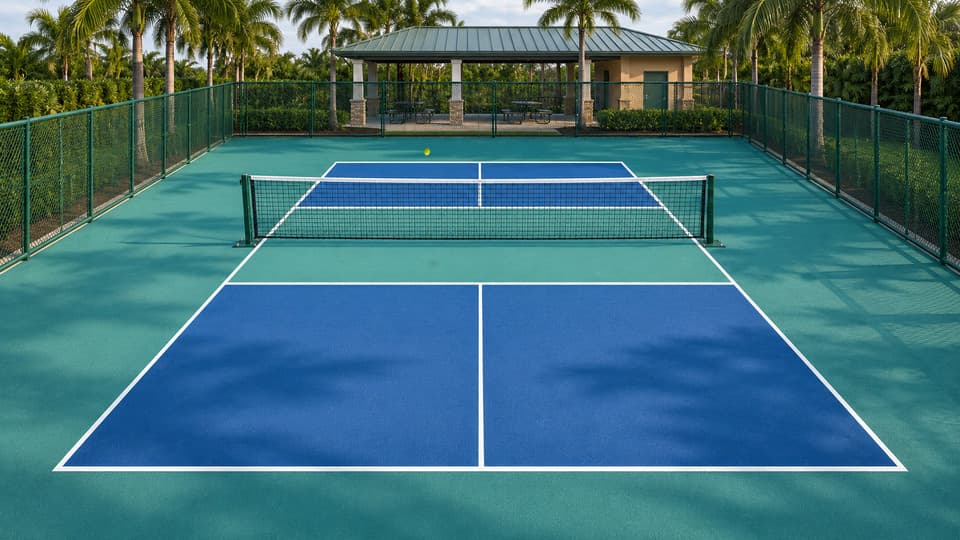
Choose the flight for the situation.
Watch how a drive and a soft drop use different space.
Generated illustration with authored motion. Ball flight is illustrative; the written lesson explains the decisions.
How should balance affect your shot choice?
If you are comfortably behind a higher ball, you have more controlled options. If you are reaching down while moving, an ambitious attack may expose you to an easy counter.
Be honest about what you can reproduce. A shot you saw once in a highlight is not automatically available during a tight rally. Choose from your current skills and work on expanding them in practice.
What does the opponent's likely contact tell you?
A drive can pressure a pair that is still moving or produce a shorter reply. A drop can make their net position less comfortable. A reset can slow an exchange when you are defending.
These intentions overlap. A moderately paced ball may serve a better purpose than either a full swing or a delicate touch. Use the opponent’s actual response to refine the next choice.
How can a traffic-light discussion clarify shot selection?
In a review with your partner, call a balanced, high-contact opportunity green; a neutral ball amber; and a stretched defensive ball red. The colors describe your options, rather than the importance of the point.
Ask whether the choice matched the situation before judging the outcome. A sensible shot can miss, and a poor decision can get lucky. Results alone are a noisy coaching conversation.
How can mixed feeds improve shot recognition?
Have a partner alternate a comfortable high ball, a deeper low ball, and a pressured feed at a manageable pace. Say your intended response before contact. Then explain one reason for it.
Keep the exercise cooperative until the recognition becomes easier. Add a live next ball so you can test whether the choice produced the situation you expected. The selector below gives examples you can take to that drill.
How can you apply this guide step by step?
What should you scan before choosing a shot?
Check contact height, balance, and the opponents’ positions. Your available skills matter too: an option you cannot control is not automatically useful because a chart names it.
Which shot intention fits the situation?
Pressure a suitable ball with a controlled drive, neutralize a forward pair with a drop, or slow a defensive exchange with a reset.
What does the opponent's reply reveal about your choice?
Watch what the opponent can actually do. The next ball tells you whether to advance, hold, defend again, or change the pattern.
A hypothetical worked example
How might this work in a session?
A drive from a comfortable higher return forces a weak reply, so you decide to drive every third shot. The next low deep return exposes the flaw in that plan. Assess the available contact first, then choose the intention. A well-chosen shot can still miss; a poor choice can get lucky. A useful review distinguishes recognition, choice, execution, and the resulting opponent contact.
What are common mistakes with pickleball shot selection?
Favorite shot chosen too early
Delay the decision until you have recognized the incoming height and balance.
Every miss called a bad choice
Separate the quality of the decision from how the contact was executed.
Successful gamble repeated blindly
Count the whole set and notice whether the pattern depends on an unusually weak reply.
What should you try during your next session?
Use mixed cooperative feeds and say the intended response before contact. Give one reason afterward. Add one live reply to compare the expected result with the actual situation.
What to observe: Record whether the intention suited the ball and whether execution achieved it. These two notes preserve more useful information than a winner-or-error tally.
Balance, contact height, and opponent position form a useful starting check. The tool offers practice prompts, not guaranteed answers.
Which shot fits this situation?
Consider a drop when opponents are forward and you can control a low ball.
Practice prompts for opponents near the kitchen. Your reach, skill, angle and incoming ball still matter.
Check your understanding
Choose an answer to see the explanation.
What should you record after trying the task?
Name one observable condition, then count a small sample. These taps record your observations; they do not detect shots or assess a rating.
Define one condition before counting.
Entries stay in this page and reset on reload. Export a text file to keep them.
What else should you know about pickleball shot selection?
Is there one best third shot for everyone?
No. The return, your balance, the opponents, and your current skills all affect the choice.
Can a drive lead to a drop later?
Yes. A shorter reply to a drive can create a more comfortable next drop.
Which sources support this guide?
- USA Pickleball: Third-shot drop vs. drive
Technique background for choosing between a drive and a soft drop.
How was this guide prepared?
Prepared with AI assistance for human editorial review. No named coach has reviewed this draft. Examples and practice tasks are editorial explanations; no first-hand coaching or product testing is claimed.
Sources checked: . For organized play, check the current rulebook and event format. This date records source checking, not coach approval.