 Pickleball Tayo
The short answer
How can you build a reliable pickleball backhand?
Build a reliable pickleball backhand with manageable feeds, early preparation, comfortable spacing, and a broad target. Compare one-handed and two-handed setups thoughtfully, and practise recovery rather than hiding the backhand during every rally.
Primary reference: USA Pickleball: Level three skills.
On this page
Running around every backhand can leave a larger gap than the stroke itself. Build an ordinary, repeatable response so the incoming ball does not force you into an unnecessary scramble.
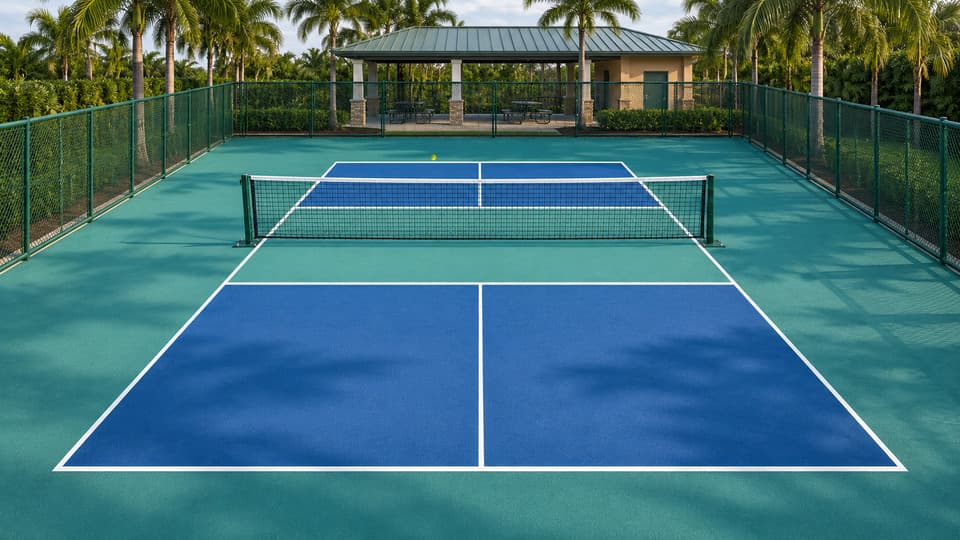
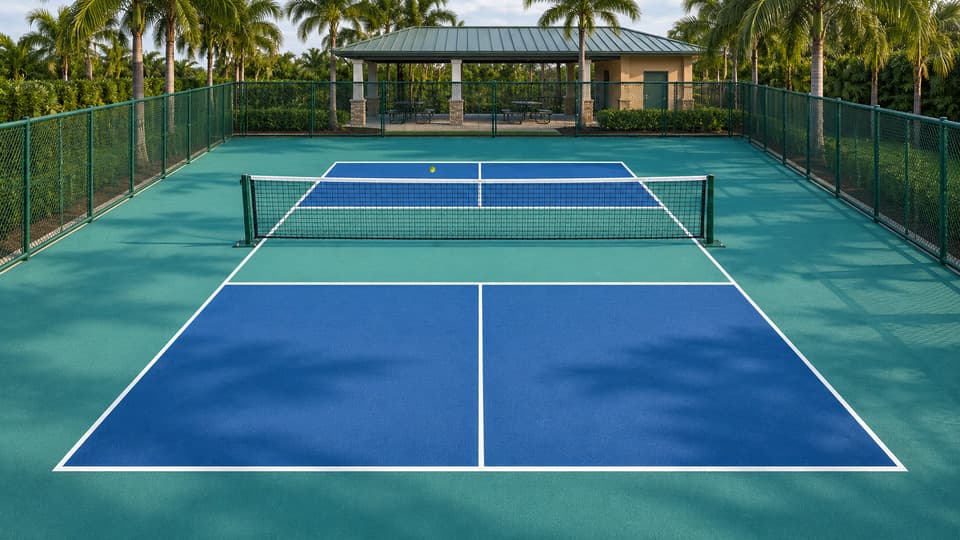
What does the visual lesson show?
Follow the backhand flight.
Keep the contact controlled and the target generous.
Generated illustration with authored motion. Ball flight is illustrative; the written lesson explains the decisions.
What is a manageable feed for backhand practice?
Start with gentle balls you can reach while balanced. Find a contact in front of your body rather than waiting until the ball passes you. If every first attempt is a difficult low feed, you are testing an emergency response instead of learning the basic contact.
Should you compare one-handed and two-handed backhands?
Players use different backhand grips and support-hand arrangements. Handle length, comfort, reach, and coaching guidance can influence the choice. Try a slow comparison without assuming that one version is universally superior. Avoid making a permanent equipment decision from a handful of rushed contacts.
How can a broad target improve backhand control?
Choose a generous middle target. Keep the feed and target similar while you test preparation timing. If the ball sprays wide, reduce the motion and check the paddle face at contact. A smaller repeatable contact gives you a more useful starting point for later pace and spin.
How can you bring the backhand into a rally?
Alternate forehand and backhand feeds at an easy pace. Recover between contacts instead of staying turned for the next predictable backhand. Then allow the feeder to choose the side. This adds recognition without immediately demanding a full competitive point.
How can you apply this guide step by step?
How can you prepare before the ball crowds you?
Recognize the incoming side and create a comfortable contact in front. Do not wait for the ball to pass before arranging the paddle.
How can you keep the backhand task simple?
Choose a broad middle target and a manageable feed. Compare contact setup deliberately rather than changing grips after every isolated miss.
How should you recover when the next ball changes sides?
Add an easy forehand after the backhand so the finish cannot hide a slow return to readiness. Then vary the feed side gradually.
A hypothetical worked example
How might this work in a session?
Avoiding every backhand sends a player around the ball and leaves the middle open. A partner then has to cover both the original lane and the new gap. Try a simple balanced backhand from a fair feed before deciding the stroke is unusable. The goal is an ordinary reliable option. You can add pace or compare hand arrangements after the basic contact is available.
What are common mistakes with the pickleball backhand?
Running around every feed
Compare the gap created with the simpler balanced backhand available.
Only emergency feeds used
Start with fair controllable balls so the first task is learning rather than survival.
Grip changes constantly
Test a comfortable setup over a short counted set before deciding what to alter.
What should you try during your next session?
Alternate five forehand-backhand pairs, then let the feeder choose the side at a gentle pace. Keep the same broad target and finish every contact ready for the other side.
What to observe: Note preparation timing and available space. An individual hand setup may need coaching; the general visual lesson does not establish that one grip is correct for all players.
Choose a comfortable setup and make the simplest useful backhand before trying to add speed.
Check your understanding
Choose an answer to see the explanation.
What should you record after trying the task?
Name one observable condition, then count a small sample. These taps record your observations; they do not detect shots or assess a rating.
Define one condition before counting.
Entries stay in this page and reset on reload. Export a text file to keep them.
What else should you know about the pickleball backhand?
Should you use a one-handed or two-handed pickleball backhand?
Both can be used. Choose a comfortable motion that lets you reach the ball and control the paddle, then get individual feedback rather than assuming one grip suits every player.
How can a beginner improve backhand consistency?
Use slow, repeatable feeds and a broad target. Arrive balanced, keep the preparation manageable, and record whether misses are long, short, or wide before increasing the difficulty.
Which sources support this guide?
- USA Pickleball: Level three skills
General stroke, control, and positioning resources; not an assessment of a reader’s rating.
How was this guide prepared?
Prepared with AI assistance for human editorial review. No named coach has reviewed this draft. Examples and practice tasks are editorial explanations; no first-hand coaching or product testing is claimed.
Sources checked: . For organized play, check the current rulebook and event format. This date records source checking, not coach approval.