 Pickleball Tayo
The short answer
Should you use an indoor or outdoor pickleball?
Choose an indoor or outdoor pickleball according to the venue, playing conditions, and agreed format. Inspect the ball for damage or inconsistent bounce, and keep the model consistent when comparing your practice results.
Primary reference: USA Pickleball: Approved equipment database.
On this page
A roof does not tell you everything about the ball you need. A covered concrete court and an indoor gym can have different surfaces and session requirements. Ask what the venue or organizer uses before buying a batch.
What does the visual lesson show?
The ball changes the session.
Choose for the court, the conditions, and the agreed format.
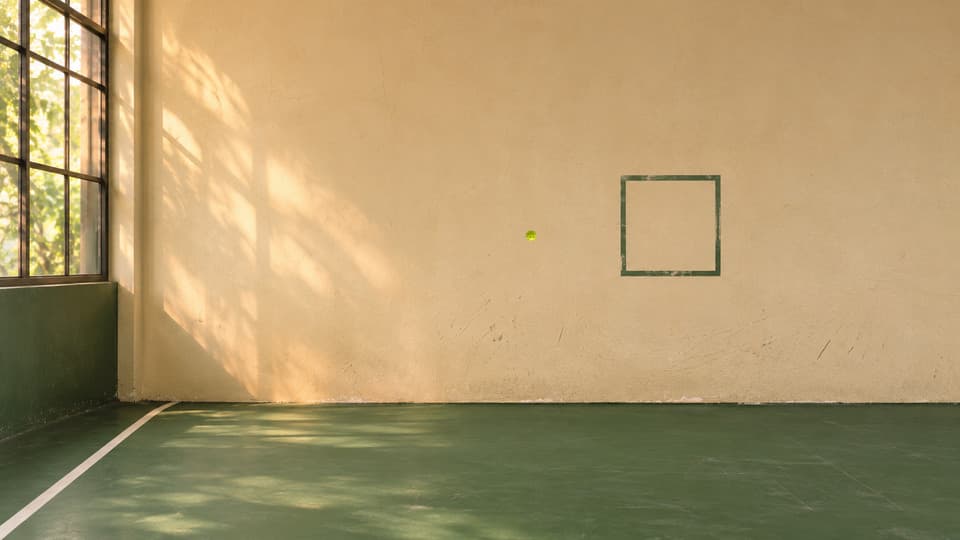
Generated illustration with authored motion. Ball flight is illustrative; the written lesson explains the decisions.
Which ball does your venue or organizer use?
Confirm the ball model for a booked game, coaching session, or tournament. Labels such as indoor and outdoor are useful product categories, but the organizer may specify one exact model.
If you bring your own, offer it before the game rather than switching mid-rally. Agreement prevents players from interpreting a different bounce as a change in someone’s skill.
When should you inspect a pickleball for damage?
Look for a crack, an obvious distortion, or an unusual bounce compared with the other balls in the session. Remove a suspect ball and compare again under the same conditions.
A ball check is especially useful when a familiar drill suddenly feels inconsistent. Keep spare balls off the playing surface so the inspection does not create a separate obstacle.
Why do visibility and ball consistency matter?
Choose an allowed color that players can track against the court and background. Lighting and glare can change what feels easy to see. Ask all players rather than assuming everyone sees the same contrast.
For a practice record, note which ball you used. Comparing a rally count across different models, surfaces, or wind conditions may tell you more about the conditions than your progress.
Why should you test a small ball purchase first?
Try a small quantity that suits the place you normally play. Keep information about the exact model and seller. A large bargain pack is poor value if it does not suit your regular session.
For organized play, check the applicable approved-equipment standard and the event’s own requirements. This guide does not name a best ball, claim comparative testing, or promise durability from a label.
How can you apply this guide step by step?
How can you confirm the intended ball model?
Ask which ball the venue, lesson, or event uses. Surface, conditions, and organizer requirements can matter more than a roof or a broad product label.
What should you inspect before playing?
Look for cracks, distortion, and an unusual bounce compared with another session ball. Remove a suspect example instead of adapting every contact around it.
How can you keep a ball comparison fair?
Use a consistent model for a counted drill and note conditions. Agree on any replacement so players do not interpret an unnoticed change as technique.
A hypothetical worked example
How might this work in a session?
Two groups share a covered concrete venue. One brings a familiar indoor-labeled ball, while the organizer has specified a different model. The roof alone did not determine the session requirement. Confirm the chosen model, inspect condition, and agree before play. If a drill suddenly changes, compare the ball as well as technique rather than assuming every unusual bounce came from a bad stroke.
What are common mistakes with indoor and outdoor pickleballs?
Roof decides the purchase
Confirm the actual model and surface instead of assuming covered means one particular ball category.
Sudden inconsistent bounce
Compare condition with another ball before changing the whole stroke.
Color hard to track
Ask the group about contrast under the actual lights and background before settling the choice.
What should you try during your next session?
Before a session, verify the model and inspect two balls. Compare gentle bounces and visibility with the group, then keep spare balls away from foot traffic.
What to observe: Note model, surface, direction, and any replacement during practice. This preserves the context of a rally count without making unsupported durability or brand comparisons.
Choose a permitted, suitable ball and keep practice conditions consistent. Inspect it when the bounce changes unexpectedly.
What should you check before your session?
0 of 5 ready. Resets on reload.
Check your understanding
Choose an answer to see the explanation.
What should you record after trying the task?
Name one observable condition, then count a small sample. These taps record your observations; they do not detect shots or assess a rating.
Define one condition before counting.
Entries stay in this page and reset on reload. Export a text file to keep them.
What else should you know about indoor and outdoor pickleballs?
Can I switch balls during a game?
Agree with the other players and follow event procedures. An unnoticed switch can change the feel of the rally.
Does this article recommend a specific brand?
No. It is a selection and inspection guide without hands-on comparative testing.
Which sources support this guide?
- USA Pickleball: Approved equipment database
Exact-model paddle and ball approval records; approval does not establish personal fit.
How was this guide prepared?
Prepared with AI assistance for human editorial review. No named coach has reviewed this draft. Examples and practice tasks are editorial explanations; no first-hand coaching or product testing is claimed.
Sources checked: . For organized play, check the current rulebook and event format. This date records source checking, not coach approval.