 Pickleball Tayo
The short answer
How can you practise pickleball alone?
Solo pickleball practice can build movement, ready-position habits, and controlled contacts in a permitted space. Use a wall only when appropriate, define one observation, and test the skill with a partner afterward.
Primary reference: USA Pickleball: Educator and program resources.
On this page
When you cannot find a partner, choose a small task you can repeat safely. Solo practice can support contact and movement habits, but a wall does not reproduce an opponent reading your shot.
What does the visual lesson show?
Find a repeatable contact.
Use a simple wall target and a comfortable rhythm.
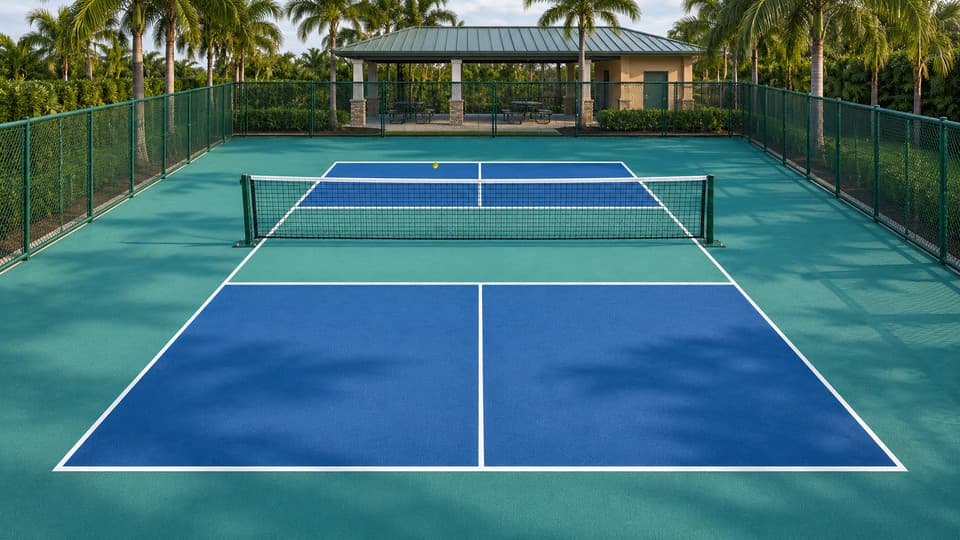
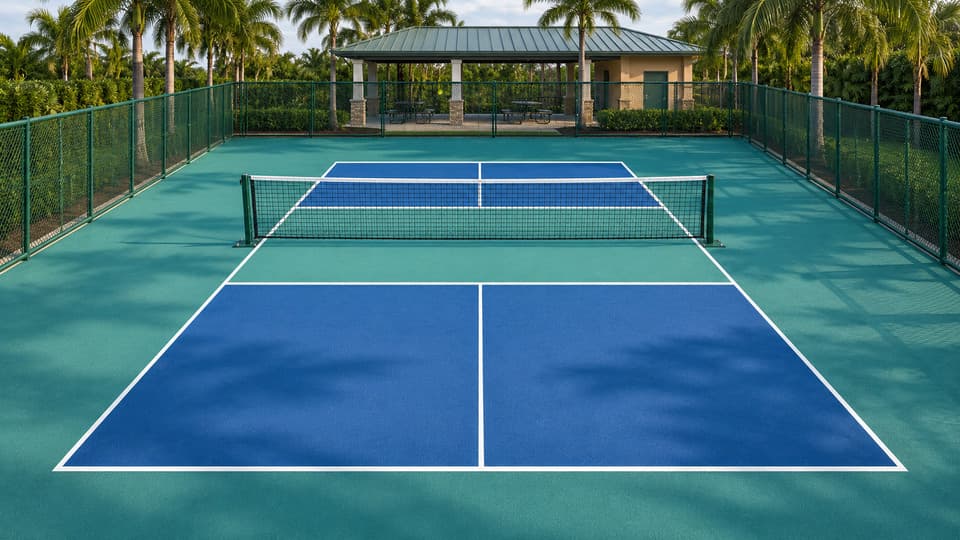
Generated illustration with authored motion. Ball flight is illustrative; the written lesson explains the decisions.
What does your solo practice space allow?
Use a court or wall only where ball play is permitted. Check people, windows, parked vehicles, lighting, and noise before hitting. A narrow hallway is not an automatic substitute for a sports space.
If the space is unsuitable for a ball, use quiet shadow movement without striking one. Keep the area around your feet clear and stop if the surface is slippery.
How can you rehearse movement without a partner?
Rehearse a comfortable ready position, a small move to each side, and a balanced recovery. Keep the movement easy enough to control. You are practising organization, rather than testing speed in a cramped space.
Imagine a contact in front, then return the paddle to readiness. Notice whether a large follow-through leaves you turning away. Work through a few slow repetitions before adding pace.
When is wall practice appropriate?
At an approved wall, use gentle contacts and a visible target reference that does not damage the surface. Choose a distance that allows time to recover. Stop before loose balls accumulate around your feet.
Count controlled contacts rather than trying to hit as hard as possible. A wall sends the ball back according to its surface and your strike; it does not tell you whether a human opponent would attack the shot.
How can you transfer solo practice to a real rally?
Write down one observation: “my paddle stayed lower after backhands,” or “I needed a smaller swing to recover.” Ask a partner to watch that specific habit next time.
Use the timer for a short session with breaks. Solo work is most useful when it has a clear limit and an honest purpose. Do not label a wall-rally count as a match rating or proof that a tactical shot is effective.
How can you apply this guide step by step?
How should you inspect the practice space?
Confirm permission, surface, obstacles, and where a missed ball could travel. If ball play is unsuitable, choose controlled shadow movement instead.
Which single habit should you repeat?
Use a comfortable contact rehearsal and a balanced recovery. A permitted wall can add gentle repetitions, but the chosen pace must leave room to prepare.
How will you test that habit with a partner?
Write one observation to test with a partner. Solo repetition cannot show how an opponent will exploit a high ball or change a pattern.
A hypothetical worked example
How might this work in a session?
You have ten minutes and a small space but no permission to strike balls against the nearby wall. The useful session can still be quiet shadow movement, paddle recovery, and a clear plan for the next court visit. A solo habit should fit the space you actually have. Adding speed where a miss reaches a window is not a meaningful progression.
What are common mistakes with solo pickleball practice?
No approved hitting area
Use quiet shadow work or wait for a proper court rather than improvising around people or property.
Wall pace becomes frantic
Reduce pace and choose a recoverable distance within the permitted space.
Solo tally treated as rating
Describe the actual conditions and test the habit with a partner before claiming tactical effectiveness.
What should you try during your next session?
Choose one task and a short time limit. Count only repetitions that end balanced with the paddle available. Finish by writing a specific question for your next partner session.
What to observe: Record the habit and setting rather than a vague total of practice time. A brief deliberate comparison can be useful without being labeled a complete training program.
Check the space first, then choose one controllable skill. Finish with a note you can test in your next real game.
How long should you practise?
10:00
Ready when you are.
Silent timer. Keep the page open. Elapsed time is reconciled when a background tab resumes.
Check your understanding
Choose an answer to see the explanation.
What should you record after trying the task?
Name one observable condition, then count a small sample. These taps record your observations; they do not detect shots or assess a rating.
Define one condition before counting.
Entries stay in this page and reset on reload. Export a text file to keep them.
What else should you know about solo pickleball practice?
Can I practise anywhere with a wall?
No. Check permission, surface, nearby people and property, and noise restrictions.
What if I have no safe place to hit?
Use controlled shadow movement in a clear space, or wait for a suitable court.
Which sources support this guide?
- USA Pickleball: Educator and program resources
Program and educator resources; the local worksheets are original planning examples.
How was this guide prepared?
Prepared with AI assistance for human editorial review. No named coach has reviewed this draft. Examples and practice tasks are editorial explanations; no first-hand coaching or product testing is claimed.
Sources checked: . For organized play, check the current rulebook and event format. This date records source checking, not coach approval.