 Pickleball Tayo
The short answer
What is a pickleball lob and when should you use it?
A pickleball lob sends the ball high over opponents toward the back of their court. Use it to exploit space behind forward players or gain recovery time, while avoiding a short, attackable landing.
Primary reference: USA Pickleball: Lob shots.
On this page
A lob sends the ball high over the opponents toward the back of their court. It can break up a kitchen exchange or buy recovery time. Its value comes from what it makes the other team do, rather than height alone.
What does the visual lesson show?
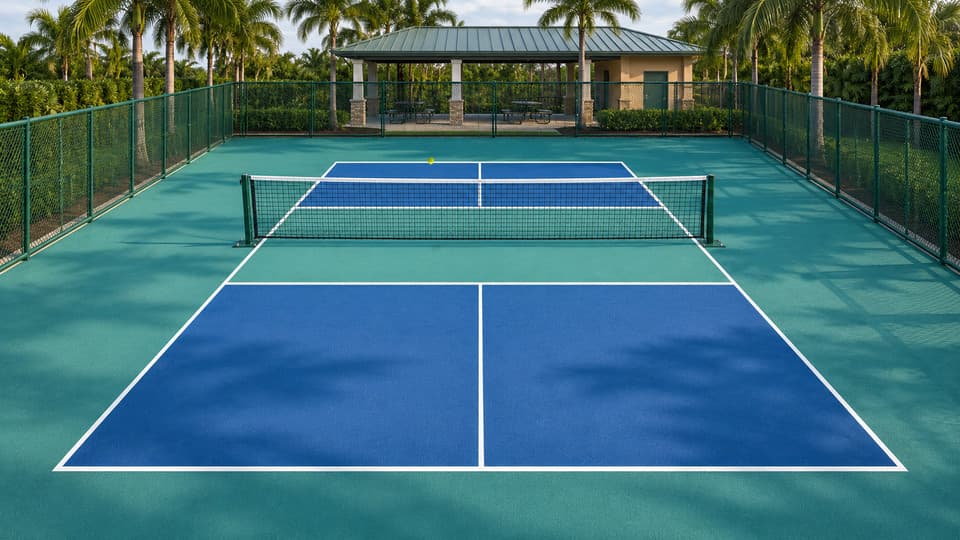
This is the lob.
Clear the net. Land deep.
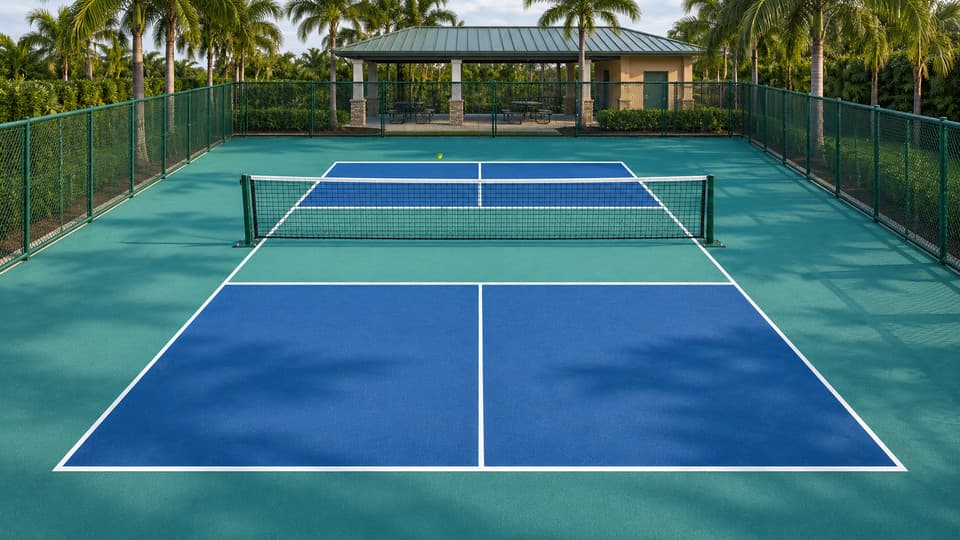
Generated illustration with authored motion. Ball flight is illustrative; the written lesson explains the decisions.
How does the ball travel through a lob?
Follow the ball
A separate close tracking view follows the ball through the arc and bounce. Watch the lift, the peak, then the deep landing.
Both views are available. Use the controls to pause, replay, or slow either video.
When is there space for a pickleball lob?
Look for players leaning forward near the kitchen and space behind them. A balanced contact gives you a better chance of finding that space. If you are reaching at full stretch, a precision offensive lob is a much harder request.
Watch the animation for the relationship between height, clearance, and depth. It illustrates one lob rather than prescribing a launch angle. Your real trajectory depends on your contact, the ball, the wind, and the distance to the target.
How can you build a controlled lob?
Start with cooperative feeds and lift the ball with a smooth motion. Choose a broad landing area inside the far baseline. Notice whether a miss was short, long, or wide before changing your swing.
Aiming for the last few centimeters of the court gives away useful margin. In an outdoor Philippine venue, test the flight in both directions before a game. A shot that lands comfortably one way can travel differently after changing ends.
What is the difference between offensive and defensive lobs?
An offensive lob looks for a chance to move opponents away from the kitchen. A defensive lob gives your side extra time to reorganize when you are stretched. Neither is a guaranteed escape.
After lifting the ball, watch the response. If it hangs short, prepare for an attack. If opponents turn to chase it, you may gain time to recover your formation. Do not assume every ball over a shoulder is already a winner.
How should you practise responding to a lob?
When retrieving a lob, turn and move rather than backpedaling while reaching. Communicate early with your partner. Let an unreachable ball go; a recreational point does not justify a blind chase into a fence or another court.
For a controlled drill, alternate one lob attempt with a reset to the starting positions. Judge the attempt by landing depth and opponent contact, then discuss which ball made the lob a sensible choice.
How can you apply this guide step by step?
Where is the opening behind the opponents?
Notice forward opponents, a balanced incoming ball, and usable space behind them. Those clues make an offensive lift more plausible than a stretched contact does.
How can you lift the ball toward a deep target?
Use a broad landing area inside the far baseline. The arc should clear the opponent, but extra height alone cannot compensate for a short landing.
How should you recover after the lob?
If opponents turn, use the time to reorganize. If the ball sits short, settle for an overhead reply. A defensive lob asks for recovery time, not certainty.
A hypothetical worked example
How might this work in a session?
Both opponents are leaning toward a soft exchange. You are balanced near the kitchen and have a comfortable ball in front. A controlled lift could make them turn, but a hurried wrist flick may leave a short overhead. Compare two outcomes: deep clearance buys recovery, while a high short ball invites pressure. After either attempt, prepare for the actual reply rather than celebrating the height of the shot.
What are common mistakes with the pickleball lob?
Short, high sitter
Check depth and opponent contact, then compare a more controlled launch rather than judging the peak alone.
Long with the wind
Increase landing margin and test both directions before relying on the same outdoor target.
Blind retreat for a lob
Turn to move and communicate early; let an unreachable ball go instead of backpedaling into space you cannot see.
What should you try during your next session?
Alternate five attacking-lob attempts with five recovery-lob attempts from cooperative feeds. Name the intention first, record the landing, and ask whether the opponent could comfortably take an overhead.
What to observe: Log short, useful depth, long, and lost balance. The animation illustrates those relationships; it does not measure your paddle launch angle, spin, or wind response.
A useful lob clears the opponents and stays in. A short lob often becomes an overhead opportunity for them.
Check your understanding
Choose an answer to see the explanation.
What should you record after trying the task?
Name one observable condition, then count a small sample. These taps record your observations; they do not detect shots or assess a rating.
Define one condition before counting.
Entries stay in this page and reset on reload. Export a text file to keep them.
What else should you know about the pickleball lob?
Should I lob on every kitchen rally?
No. Repetition removes surprise and gives opponents time to prepare. Use it when the position and incoming ball support it.
Can I practise a lob indoors?
Only if the ceiling, court rules, and available space allow it. Check the venue before trying a high arc.
Which sources support this guide?
- USA Pickleball: Lob shots
Technique background on offensive and defensive lobs.
How was this guide prepared?
Prepared with AI assistance for human editorial review. No named coach has reviewed this draft. Examples and practice tasks are editorial explanations; no first-hand coaching or product testing is claimed.
Sources checked: . For organized play, check the current rulebook and event format. This date records source checking, not coach approval.