 Pickleball Tayo
The short answer
How should you return a pickleball serve?
A useful return of serve clears the net with margin and lands deep enough to create time. Let the serve bounce, return with control, then move and get balanced for the third shot.
Primary reference: Pickleball Global: Serves and returns coaching resource.
On this page
Your return has two jobs: stay in play and leave you ready for the next ball. A controlled, deeper return can give you time to move forward. Trying to finish the rally immediately often makes both jobs harder.
What does the visual lesson show?
Give the return some depth.
Send it deep enough to give yourself time to move.
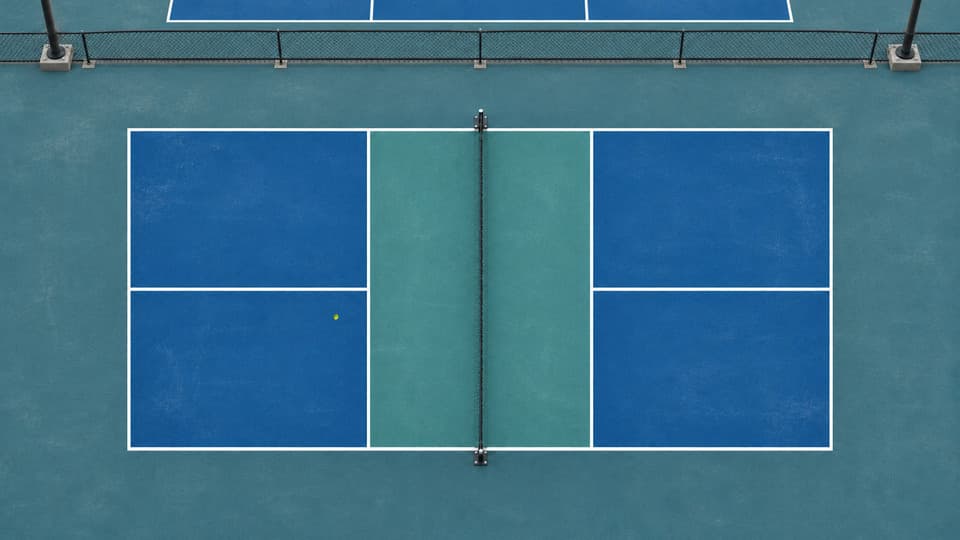
Generated illustration with authored motion. Ball flight is illustrative; the written lesson explains the decisions.
Where should you stand to receive a serve?
Stand where you can handle the likely depth and move to either side. If the serve repeatedly jams you after bouncing, try starting a little farther back. If it is short, move forward under control rather than reaching from your original spot.
Have a partner vary placement at a gentle pace. Learn where your comfortable contact happens before asking for a difficult serve.
How can return height and depth create time?
A return with some height can travel deep without demanding a full-power swing. Aim comfortably inside the baseline. The objective is enough time to recover and move, rather than the highest possible arc.
In outdoor play, test the return into and with the wind. Adjust the intended margin before blaming the whole stroke. A consistent starting target helps you notice what conditions change.
When should you settle after returning the serve?
After returning, work toward a useful forward position. If the opponent is about to hit while you are still moving, regain balance. Getting halfway in and reacting well can be more useful than arriving at the kitchen while falling forward.
Coordinate with the partner already closer to the net. Their position gives your movement context; it does not mean you should cover the entire court alone.
How can you review a set of ten returns?
Ask for ten repeatable serves. Record returns in, returns deep enough for your target, and times you were balanced for the next contact. These three counts show whether the issue is accuracy, placement, or movement.
Finish with live thirds so the server can respond naturally. A return drill that always ends immediately cannot tell you whether your forward movement survives a real reply.
How can you apply this guide step by step?
How can you leave room for the serve to bounce?
Start where the likely serve can bounce without crowding you. Adjust for observed depth and direction rather than copying another player’s exact starting spot.
How can you return with depth and margin?
Use a broad deep target and a manageable trajectory. A return that stays in and creates time is a stronger starting task than an ambitious winner attempt.
When should you stop moving and get balanced?
Follow toward a useful position while tracking the next hitter. Arrive balanced for the strike, even if you have not reached the kitchen yet.
A hypothetical worked example
How might this work in a session?
Your return lands deep, but you admire it for a moment before moving. The server has already contacted by the time you start forward. On another attempt, you move immediately but keep running through their strike. The useful sequence is controlled depth, purposeful movement, and balance for the next contact. Depth creates an opportunity; it does not perform the recovery for you.
What are common mistakes with the pickleball return of serve?
Serve bounce jams the feet
Compare a slightly deeper start and adjust to the actual server before changing the swing.
Good return, late recovery
Include movement in the counted drill so the landing is not the final event you assess.
Still running at third contact
Practise settling earlier; a balanced intermediate position can be more useful than an uncontrolled arrival.
What should you try during your next session?
Use ten moderate serves with a live third shot. Record return in, intended depth, and balanced readiness for the third. Swap roles so both partners understand what the receiver sees.
What to observe: Compare the three counts instead of combining them into one good-return label. A depth improvement with worse readiness suggests a different adjustment from simple accuracy work.
Choose depth with margin, then move while watching the next hitter.
Check your understanding
Choose an answer to see the explanation.
What should you record after trying the task?
Name one observable condition, then count a small sample. These taps record your observations; they do not detect shots or assess a rating.
Define one condition before counting.
Entries stay in this page and reset on reload. Export a text file to keep them.
What else should you know about the pickleball return of serve?
Must I hit the return as hard as possible?
No. A controlled return with useful depth and recovery time often makes more sense.
Can the serving team volley my return?
Under the standard two-bounce rule, it must bounce on their end first.
Which sources support this guide?
- Pickleball Global: Serves and returns coaching resource
Coaching background for return depth and recovery; the practice examples here are original.
How was this guide prepared?
Prepared with AI assistance for human editorial review. No named coach has reviewed this draft. Examples and practice tasks are editorial explanations; no first-hand coaching or product testing is claimed.
Sources checked: . For organized play, check the current rulebook and event format. This date records source checking, not coach approval.