 Pickleball Tayo
The short answer
How do you practise returning and recovering in pickleball?
Use a manageable serve, return with depth and margin, then move and settle before the opponent's third-shot contact. Count placement, depth, and balance separately so the drill measures preparation as well as the return.
Primary reference: Pickleball Global: Serves and returns coaching resource.
On this page
A return drill that stops at the bounce tells you little about whether you were ready for the third shot. Add movement and one live reply so the whole task becomes visible.
What does the visual lesson show?
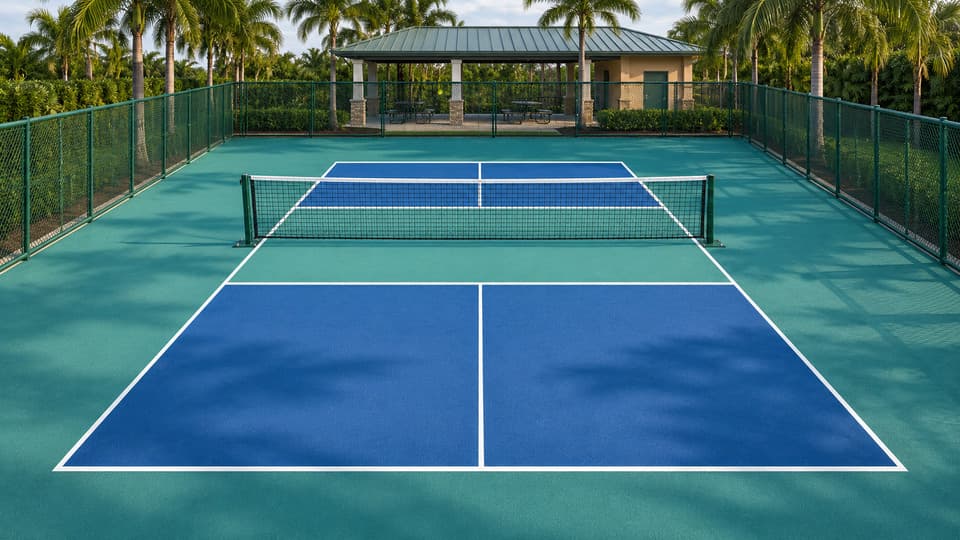
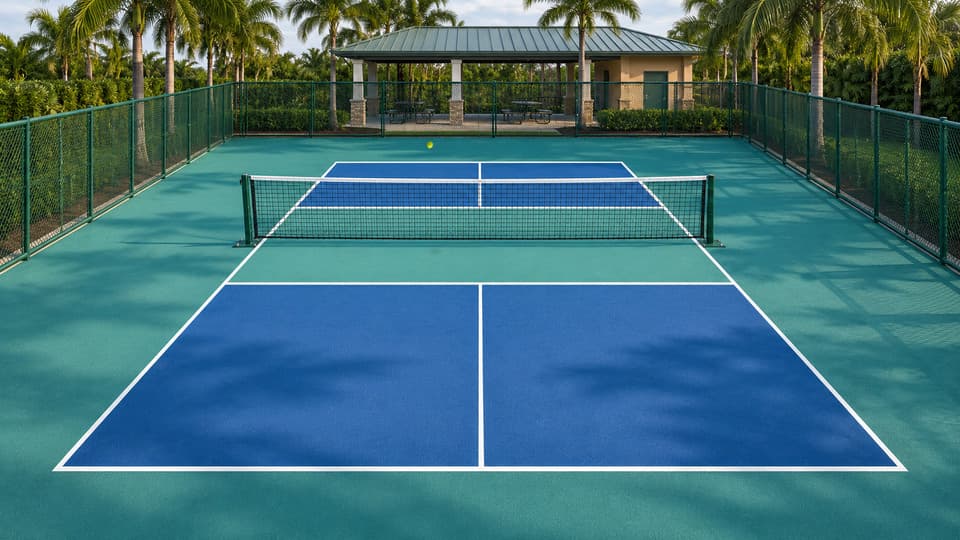
Return, then get ready again.
Use the flight time and prepare for the next ball.
Generated illustration with authored motion. Ball flight is illustrative; the written lesson explains the decisions.
What kind of serve should start the return drill?
Ask for similar, moderate serves while you establish the pattern. Set a broad deep target with margin inside the baseline. The aim is to develop a useful return and recovery rather than win immediately against the server’s hardest delivery.
How can return depth create time to move?
Try a controlled trajectory that travels deep without demanding maximum effort. Follow forward while watching the server. If their contact comes before you reach the kitchen, settle where you are instead of continuing to run through the ball.
Why should the drill include a third shot?
Have the server send a natural but manageable next ball. Record whether the returner was balanced and able to react. This distinguishes a good-looking return from one that actually supports the next task. Keep the partner closer to the net involved in the coverage discussion.
How should you increase serve difficulty gradually?
After a short repeatable set, mix in a slightly shorter or wider serve. Keep the recovery task the same. Stop when the variation produces only scrambling; simplify and collect more controlled repetitions. A sensible progression leaves you with information you can apply in a game.
How can you apply this guide step by step?
How can you receive and place a controlled return?
Let the serve bounce and send a controlled return toward a generous deep band. Match the initial task to the current level.
How should you move while watching the next contact?
Follow forward while watching the server’s preparation. Settle before contact rather than finishing a fixed run regardless of the next ball.
How can you respond to the third shot from balance?
Include a natural manageable reply and observe whether the returner can react. Add variation gradually after the basic sequence works.
A hypothetical worked example
How might this work in a session?
The receiver hits eight deep returns but reaches the next contact balanced only three times. A depth-only tally would call the drill successful. Add the third ball and inspect the movement. The return may need a different trajectory or the recovery may simply start late. Test one explanation at a time and keep the feed manageable enough to see the whole sequence.
What are common mistakes with a pickleball return-and-recover drill?
Only landing assessed
Include a live third shot so balance and movement become visible.
Arrival valued over readiness
Practise an earlier settle rather than sprinting through opponent contact.
Serve variation overwhelms task
Return to repeatable moderate serves before increasing difficulty again.
What should you try during your next session?
Count ten starts with the same moderate serve. Track deep returns and balanced next contacts separately, then review the attempts where those results differed.
What to observe: Write down whether late movement, insufficient time, or loss of balance explained the miss. Each suggests a different next repetition.
Judge in, depth, and balance before the next opponent contact as distinct outcomes.
How long should you practise?
10:00
Ready when you are.
Silent timer. Keep the page open. Elapsed time is reconciled when a background tab resumes.
Check your understanding
Choose an answer to see the explanation.
What should you record after trying the task?
Name one observable condition, then count a small sample. These taps record your observations; they do not detect shots or assess a rating.
Define one condition before counting.
Entries stay in this page and reset on reload. Export a text file to keep them.
What else should you know about a pickleball return-and-recover drill?
What is the goal of a return-and-recover drill?
Practise a controlled return after the serve bounces, then recover to a useful, balanced position. Judge the return and the movement together rather than counting only balls that clear the net.
Should you keep moving while your opponent hits the next ball?
Aim to be balanced when the next contact requires a response. Adjust your recovery to the time available; continuous forward movement can make the following shot harder to control.
Which sources support this guide?
- Pickleball Global: Serves and returns coaching resource
Coaching background for return depth and recovery; the practice examples here are original.
How was this guide prepared?
Prepared with AI assistance for human editorial review. No named coach has reviewed this draft. Examples and practice tasks are editorial explanations; no first-hand coaching or product testing is claimed.
Sources checked: . For organized play, check the current rulebook and event format. This date records source checking, not coach approval.