 Pickleball Tayo
The short answer
How should you practise pickleball serve targets?
Practise serves toward a large legal target and count legal placement, target depth, and readiness separately. Keep conditions consistent across a short set, change one variable at a time, then add the return.
Primary reference: USA Pickleball: Serve tips.
On this page
A serve landing in and a serve reaching your target are different outcomes. Track them separately so one exciting deep serve does not hide a batch of faults.
What does the visual lesson show?
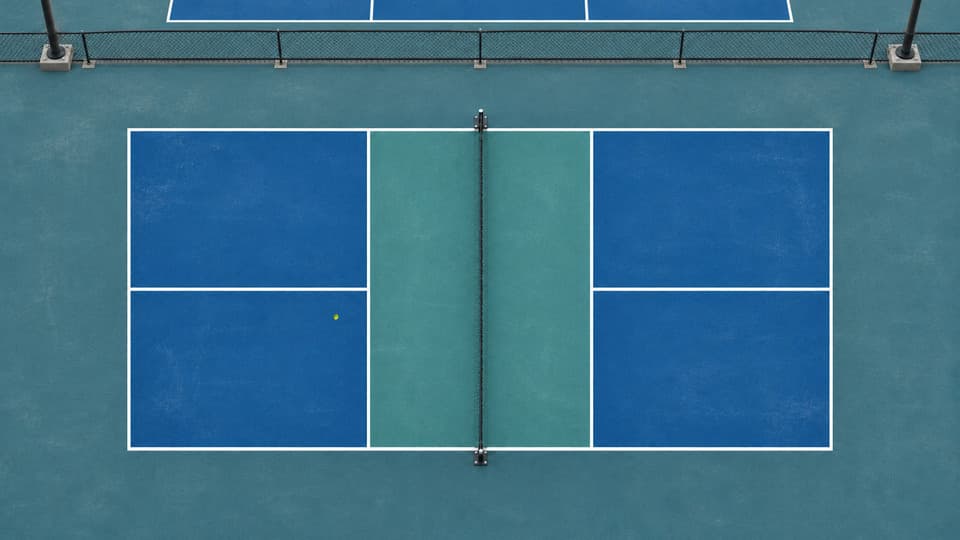
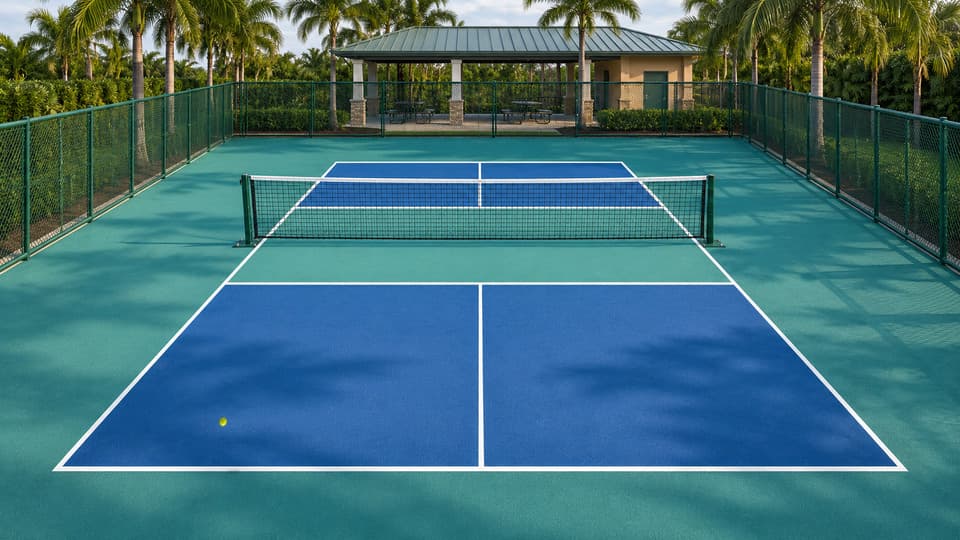
Build a reliable service target.
Explore a few broad landing areas before adding pace.
Generated illustration with authored motion. Ball flight is illustrative; the written lesson explains the decisions.
How can you mark a serve target without creating an obstacle?
Choose a broad depth band inside the opposite diagonal court. Use flat references or markers outside foot traffic. Do not place raised cones where a receiver may step. Confirm which lines bound the service court and which kitchen line the serve must clear.
Which serve outcomes should you count separately?
Hit a short counted set with the same routine. Record in serves first, target serves second. If a serve lands long, do not relabel it nearly perfect. The tally is useful because it preserves what happened without giving extra importance to your favorite contact.
When should you change a serving variable?
When basic placement is repeatable, adjust the intended depth or add modest pace. Do not change the release, target, swing, and starting position at once. A consistent setup makes it easier to notice whether the new variable improved or reduced control.
How can you finish the drill with the required return bounce?
Ask a partner to return the last few serves naturally. Prepare behind the baseline for that return to bounce. Record whether you were organized for the third shot. This final step prevents a service-only drill from hiding a movement habit that causes trouble as soon as the rally continues.
How can you apply this guide step by step?
How should you set a broad service lane?
Choose a broad legal diagonal target with margin. Keep markers flat or outside likely foot traffic and confirm the correct service boundaries.
Why should you count the whole practice set?
Record legal-in and target-depth outcomes separately. Include the misses rather than keeping only the memorable successful serves in the result.
How can you add a real return to the task?
Finish with natural returns and check preparation for the bounced third contact. Target accuracy is only one part of a useful start.
A hypothetical worked example
How might this work in a session?
A ten-ball set includes seven legal serves, four of which reach the chosen depth band. Calling the result four good serves hides whether the other three were accurate but short or complete faults. Preserve both counts and add a readiness observation after live returns. The combined record points to a clearer next task than shrinking the target because one serve hit the corner.
What are common mistakes with a pickleball serve-target drill?
Depth count hides faults
Maintain separate legal-in and depth totals so the denominator remains clear.
Tiny target selected too soon
Keep generous margin while the routine and legality become repeatable.
Equipment changes between sets
Record the ball and conditions so a comparison is not attributed to the wrong variable.
What should you try during your next session?
Run one ten-serve set, state the in and depth counts, and choose one change. Repeat under similar conditions, then add five live returns to check recovery.
What to observe: Use the manual practice counter for one named observation at a time. It records taps, not sensor-detected landings or a validated serving percentage.
Start with a large legal target; refine placement only while legality and recovery remain reliable.
How long should you practise?
10:00
Ready when you are.
Silent timer. Keep the page open. Elapsed time is reconciled when a background tab resumes.
Check your understanding
Choose an answer to see the explanation.
What should you record after trying the task?
Name one observable condition, then count a small sample. These taps record your observations; they do not detect shots or assess a rating.
Define one condition before counting.
Entries stay in this page and reset on reload. Export a text file to keep them.
What else should you know about a pickleball serve-target drill?
Where should you put a serve-practice target?
Mark a broad area inside the correct diagonal service court and beyond the kitchen. Leave space inside the baseline and sidelines so the task rewards a legal serve with margin.
What should you record during a serve-target drill?
Record attempts, legal serves, and target landings separately. Note repeated miss directions. These observations guide the next practice task; they are not an official player rating.
Which sources support this guide?
- USA Pickleball: Serve tips
Service technique background; use the rulebook for legal-contact requirements.
- 2026 USA Pickleball Official Rulebook
Primary reference for standard-play rules and event-rule exceptions.
How was this guide prepared?
Prepared with AI assistance for human editorial review. No named coach has reviewed this draft. Examples and practice tasks are editorial explanations; no first-hand coaching or product testing is claimed.
Sources checked: . For organized play, check the current rulebook and event format. This date records source checking, not coach approval.