 Pickleball Tayo
The short answer
How should you practise the third-shot drop?
Practise third-shot drops with a cooperative partner, starting close enough to control the flight. Increase distance gradually, then restore the serve-return-drop sequence and judge both the reply and your readiness to move.
Primary reference: USA Pickleball: Basics of the third-shot drop.
On this page
A baseline drop can be frustrating when every feed ends before you learn anything. Start closer, keep the target large, and increase distance only when the current contact feels manageable.
What does the visual lesson show?
Build the drop in stages.
Start closer. Add distance while keeping a soft landing.
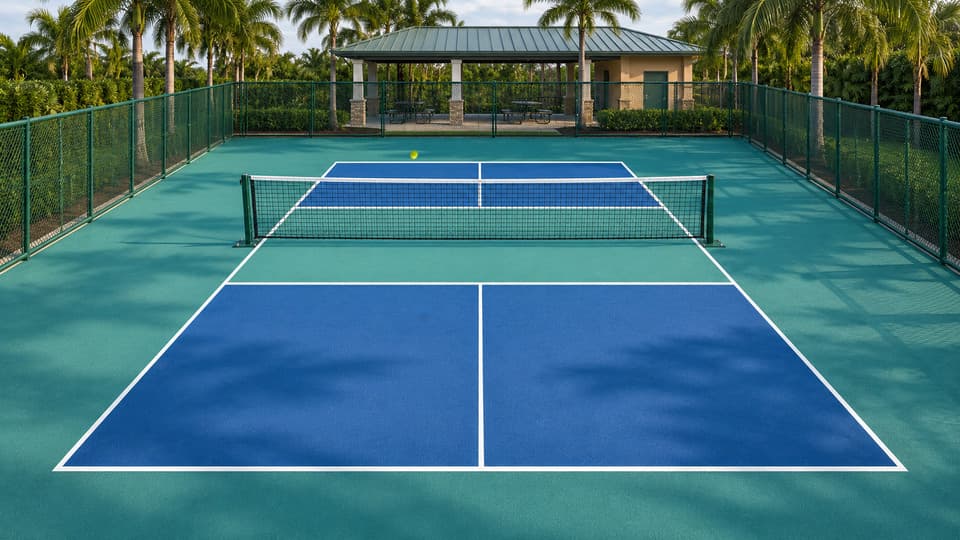
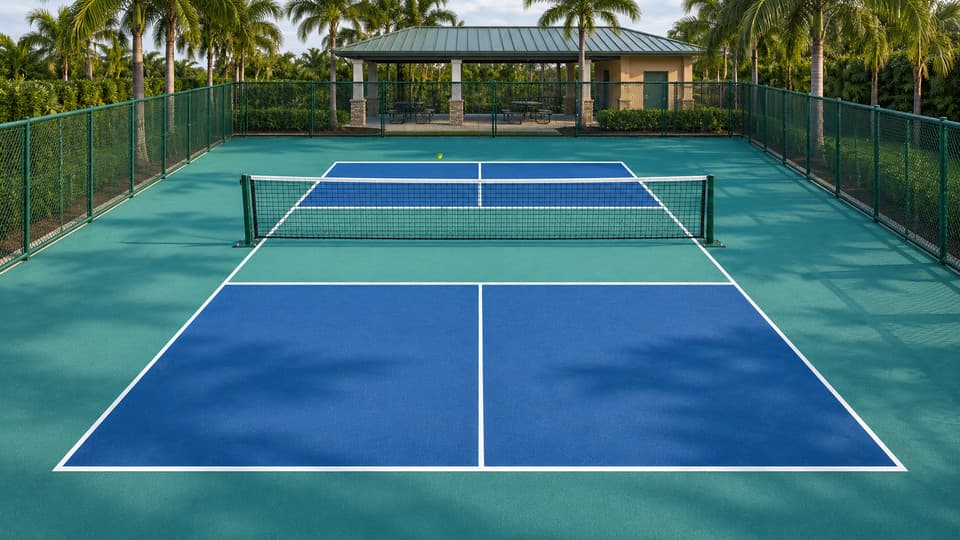
Generated illustration with authored motion. Ball flight is illustrative; the written lesson explains the decisions.
How should partners set up a drop drill?
One player feeds from near the far kitchen line. The other starts a few steps behind their own kitchen. Use controlled feeds and a large target toward the middle.
Agree that the feeder is helping evaluate the shot, not trying to win every exchange. Leave spare balls outside the playing area and stop the drill if one rolls underfoot.
How can you find the drop shape from close range?
Play a short set from the closer position. The feeder reports whether they could contact comfortably above net height or had to play a lower ball. That observation adds context to where the ball landed.
If most balls hit the net, try more clearance before adding distance. If they float high, adjust the contact and swing gently. Keep each change small enough to understand.
When should you increase the drop distance?
Take a small step back for the next set when the first contact is repeatable. Keep the same target and feed. If the quality disappears, return closer for a few repetitions.
A suggested progression is five minutes close, five minutes in the transition area, and five minutes farther back. Adjust this to your level; there is no required quota that makes someone ready for the baseline.
How can you restore the real serve-return-drop sequence?
Finish with a serve, a natural return, and the third shot. Read whether to move or hold after contact. This adds variation that a perfect feed cannot provide.
Log net, attackable, and manageable results. A small set can suggest what to practise next, but it is not evidence of match success or a predicted rating. Bring the pattern to a coach if the same error keeps recurring.
How can you apply this guide step by step?
Why should you start close enough to control the ball?
Choose a generous target and cooperative feed. Use the closer position to notice the relationship between contact, clearance, and the opponent’s available reply.
When is it useful to increase the distance?
Move back gradually while keeping other conditions stable. If repeatability disappears, return closer and identify the changed contact before taking another step.
How can you connect the drop to the opening rally?
Finish with serve, natural return, and third shot. Read whether the pair can advance instead of counting the drop’s landing as the last event.
A hypothetical worked example
How might this work in a session?
A player begins at the baseline and hits nine of ten balls into the net. Repeating the same difficult task creates frustration without enough clean contacts. Move closer, preserve the target, and regain the shape. Then add distance in small steps. The final serve-return pattern tests whether that shape survives a less predictable incoming ball, which a perfect feed cannot establish.
What are common mistakes with a third-shot-drop drill?
Distance increased too early
Use a closer set to restore controlled clearance and preserve useful repetitions.
Target and feed change together
Keep the comparison simple so you can identify what the added distance changed.
Landing counted as sole success
Include attackability and the next movement decision in the observation.
What should you try during your next session?
Use three short sets at progressively deeper positions, then five natural rally starts. Classify each reply as net, attackable, or manageable and discuss the last stage with your partner.
What to observe: A handful of cooperative successes does not establish a match percentage. Keep feed conditions in your record and recheck the skill against a real return.
Progress the distance without changing everything else. Measure whether the reply is attackable, rather than counting kitchen landings alone.
How long should you practise?
15:00
Ready when you are.
Silent timer. Keep the page open. Elapsed time is reconciled when a background tab resumes.
Check your understanding
Choose an answer to see the explanation.
What should you record after trying the task?
Name one observable condition, then count a small sample. These taps record your observations; they do not detect shots or assess a rating.
Define one condition before counting.
Entries stay in this page and reset on reload. Export a text file to keep them.
What else should you know about a third-shot-drop drill?
How many successful drops do I need before moving back?
Use a short set that feels repeatable and manageable. The right threshold depends on your level and the feed.
Is a kitchen landing enough to call a drop good?
No. The opponent may still volley or attack it. Observe the available next contact.
Which sources support this guide?
- USA Pickleball: Basics of the third-shot drop
Technique background on the third-shot drop and transition toward the net.
How was this guide prepared?
Prepared with AI assistance for human editorial review. No named coach has reviewed this draft. Examples and practice tasks are editorial explanations; no first-hand coaching or product testing is claimed.
Sources checked: . For organized play, check the current rulebook and event format. This date records source checking, not coach approval.